Everything You Need to Know Before Road Tripping Iceland in a Camper Van
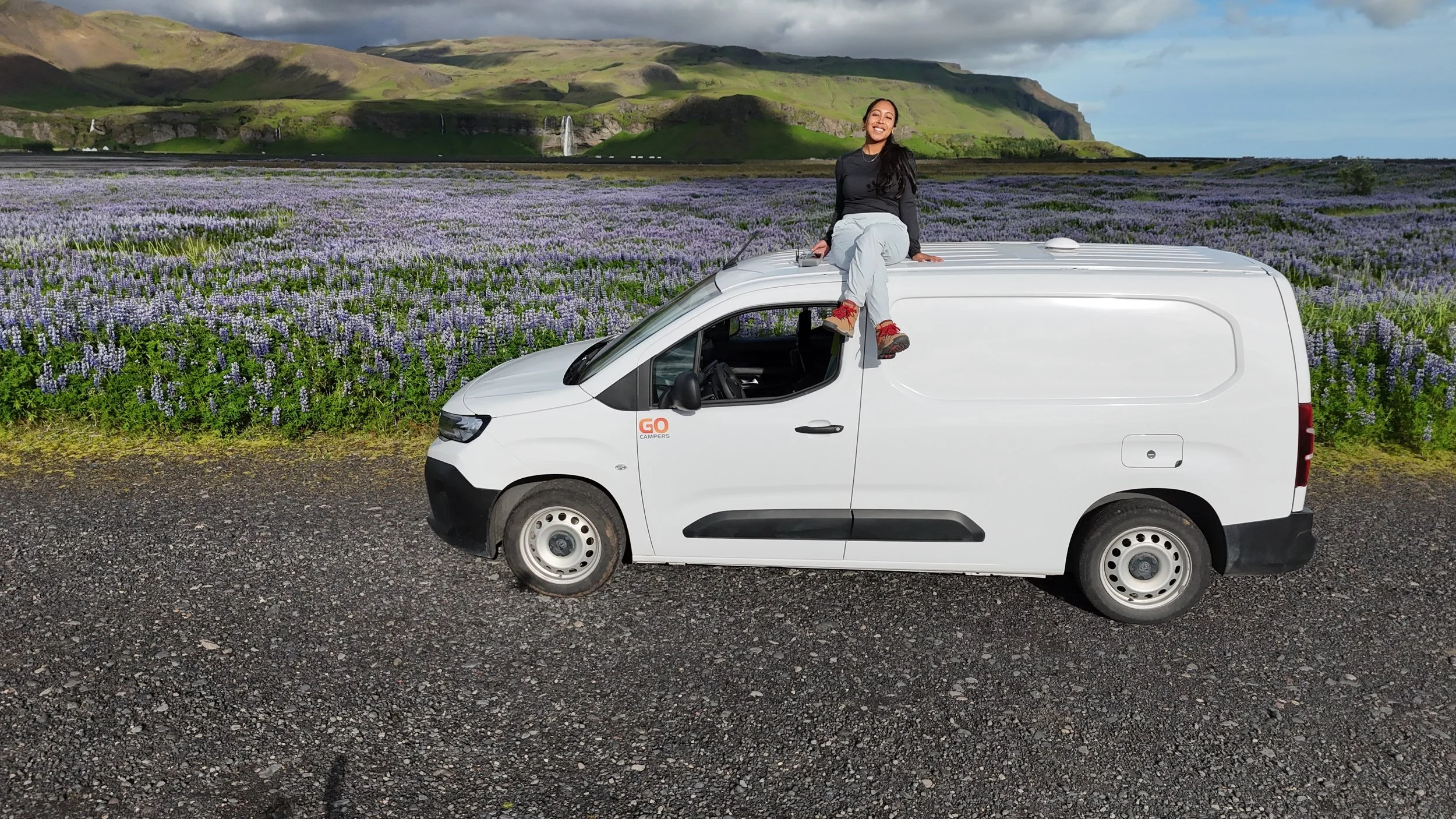
When I first started planning my trip to Iceland, I assumed I would book hotels each night and drive between destinations like I normally do on vacation.
Then I started looking at a map.
I quickly realized that the best parts of Iceland aren't found in Reykjavík. They're spread across glaciers, waterfalls, volcanic beaches, mountain ranges, and tiny villages connected by one incredible road. I didn't want to spend half my trip driving back and forth to a hotel every night, so I decided to do something completely different.
I rented a camper van.
Looking back, it was easily one of the best decisions I made.
Instead of worrying about hotel check-ins, unpacking every night, or rushing to make it back before dark, my accommodations came with me. I woke up next to waterfalls, cooked breakfast overlooking glaciers, and watched movies before bed while parked in the middle of some of the most beautiful landscapes I've ever seen.
If you're considering traveling Iceland by camper van, here's everything I wish I knew before I picked up the keys.
Why a Camper Van Is Better Than Staying in Hotels
Most people assume camper vans are simply the cheaper option.
For me, they completely changed the way I experienced Iceland.
Instead of structuring every day around a hotel reservation, I could structure my trip around the weather, road conditions, or simply wherever I wanted to stop.
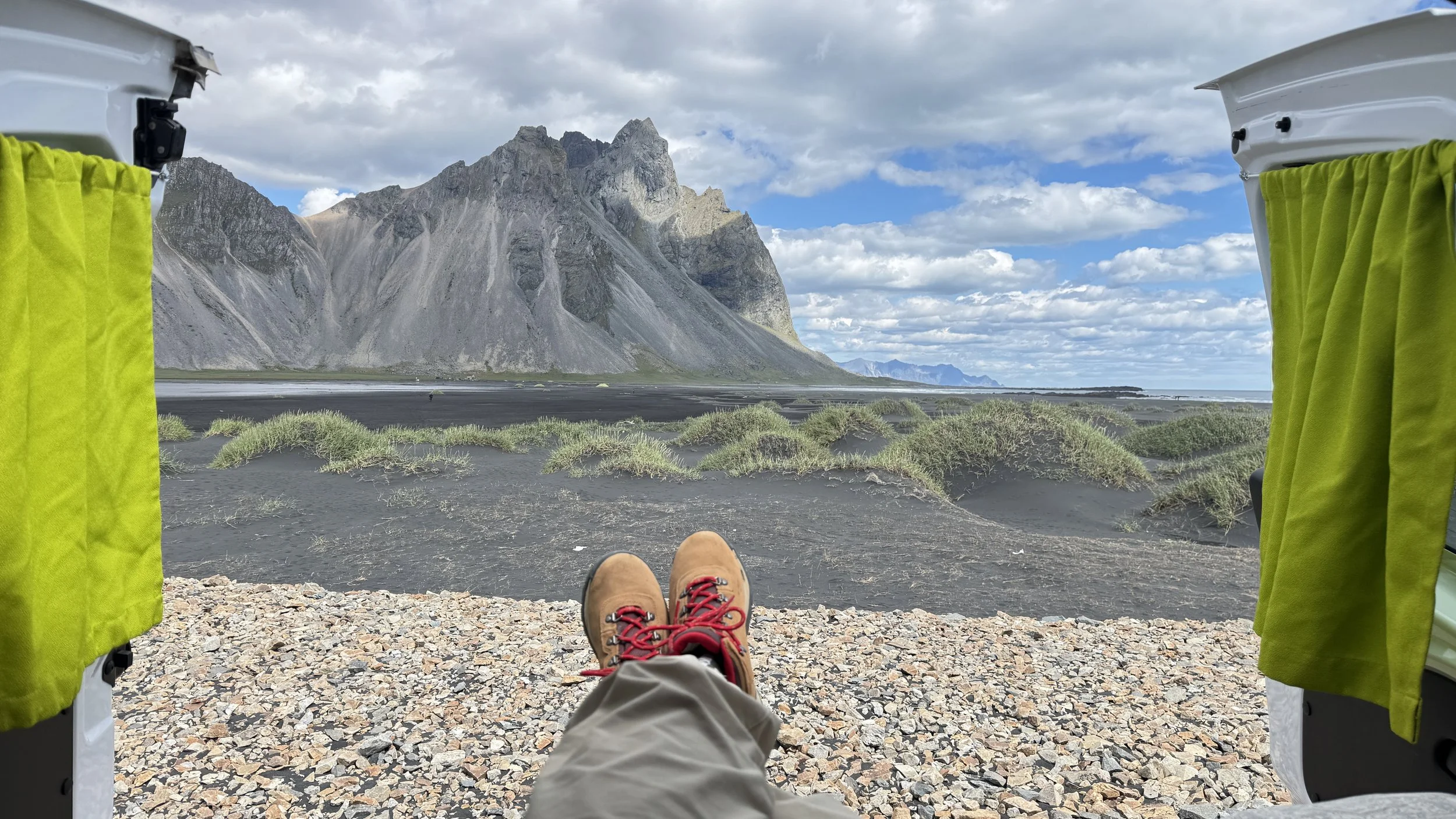
One evening I found myself parked beside Seljalandsfoss, listening to the waterfall outside my window. Another night I was parked in downtown Reykjavík after spending the evening at Sky Lagoon. I didn't have to worry about driving hours back to my hotel because my hotel was already with me.
That flexibility is something I don't think you can fully appreciate until you experience it yourself.
Why I Chose Go Campers
After landing at Keflavík International Airport, I simply walked outside to the shuttle pickup area and caught the complimentary shuttle to the Go Campers office.
Within a short time, I had completed the paperwork, received a walkthrough of the van, connected to the onboard WiFi, and was already starting my road trip.
The process felt incredibly organized from beginning to end.
One thing I appreciated was that Go Campers provides much more than just a vehicle.
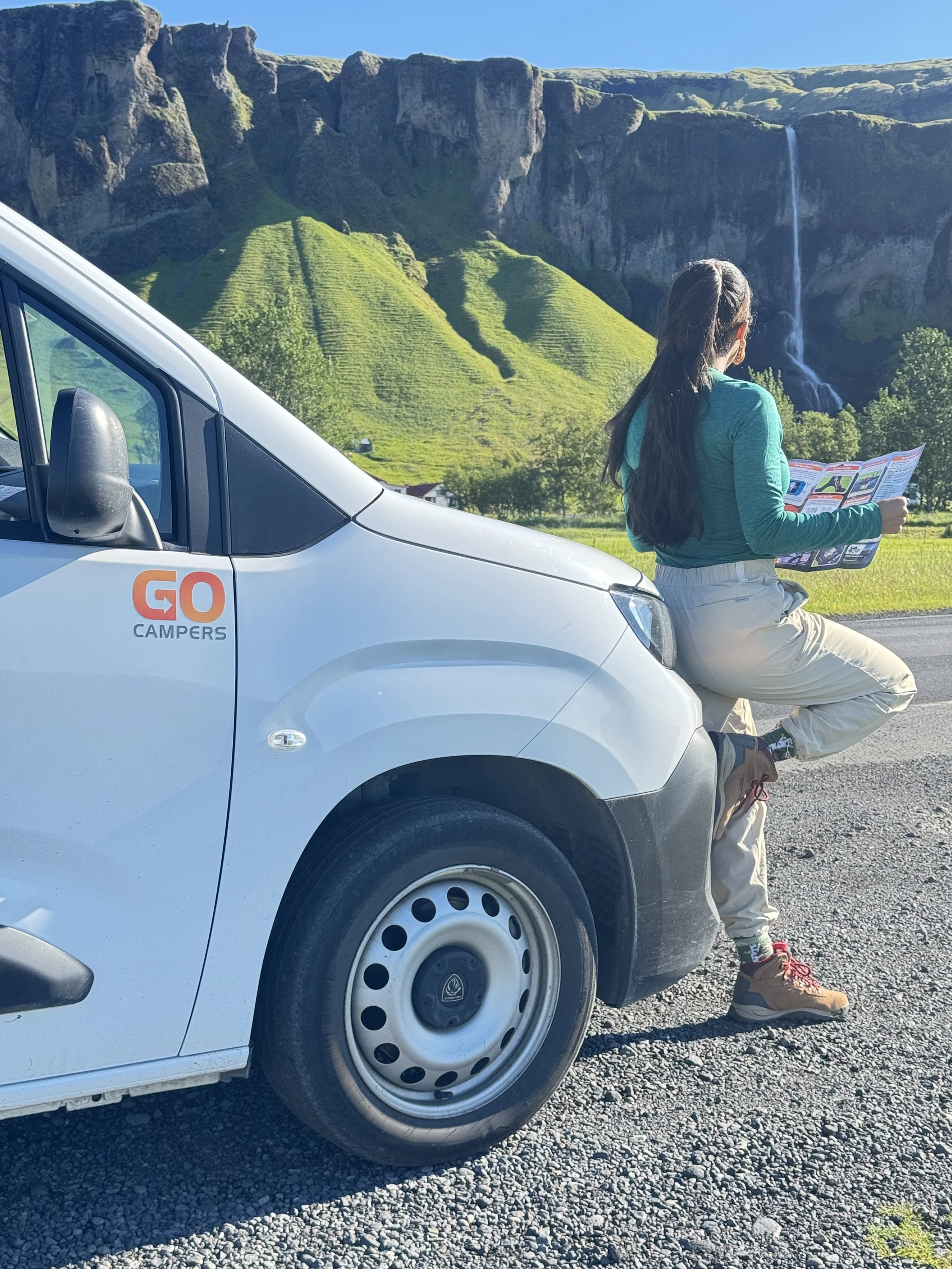
They offer suggested itineraries, route planning assistance, driving tips, campsite recommendations, and one of the most useful interactive maps I used throughout my trip. It highlights gas stations, grocery stores, campgrounds, attractions, road conditions, and other useful stops along your route.
Inside the office, they also have a community pantry where previous travelers leave unopened food, spices, cooking supplies, or other useful items that future travelers can take instead of letting them go to waste.
It feels like a small detail, but it perfectly reflects the camper van community in Iceland.
What to Look for When Choosing a Camper Van
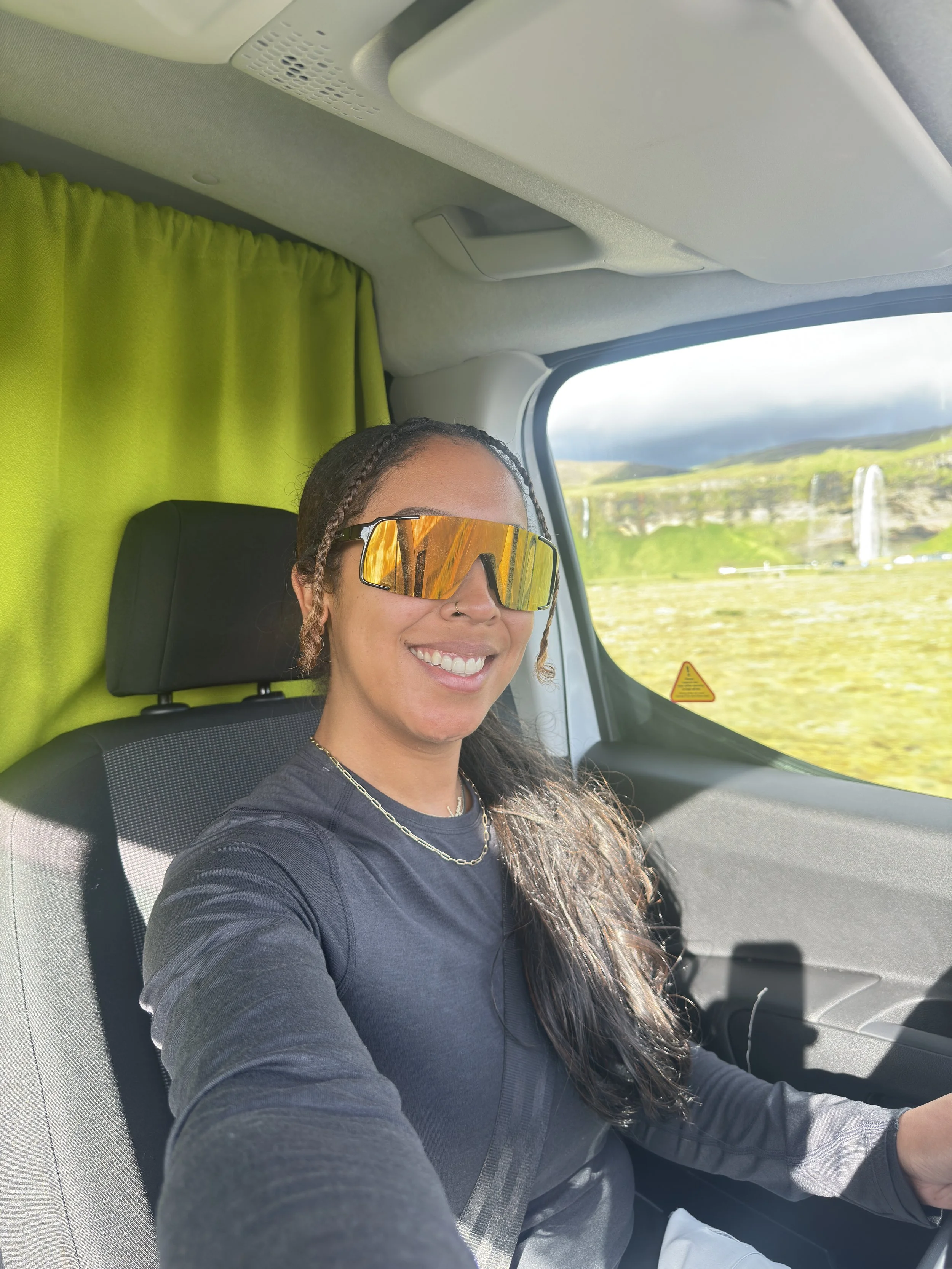
Not every camper van is designed for the same trip.
Before booking, think about the time of year you're visiting and where you plan to drive.
If you're sticking to the Ring Road during summer, a standard camper van is more than enough.
If you're traveling during winter or want to explore Iceland's F-roads and Highlands, you'll likely want a four-wheel drive or all-wheel-drive vehicle.
You'll also want to consider things like interior heating, sleeping space, cooking equipment, storage, charging ports, WiFi, and whether you prefer driving an automatic or manual transmission.
Those little details become much more important after spending several days living inside your vehicle.
What to Pack for Camper Van Life
Packing for Iceland is completely different than packing for most destinations.
The weather can change several times in one day, even during summer, so dressing in layers is essential.
I recommend bringing thermal base layers, a fleece jacket, a waterproof rain jacket, warm gloves, a beanie, waterproof hiking boots, wool socks, sunglasses, and comfortable clothes to sleep in.
Even in July, temperatures can drop significantly once the sun gets lower in the sky.
For campsite living, I also packed a microfiber towel, flip-flops for campground showers, a hanging toiletry bag, portable charger, headlamp, wet wipes, and a small laundry bag.
One thing I didn't think about beforehand was shower payments.
Many campgrounds include showers, but some require payment after the reception closes. I recommend carrying a few coins or small bills just in case. Most places accept cards, but having cash gives you one less thing to worry about.
Cooking in a Camper Van
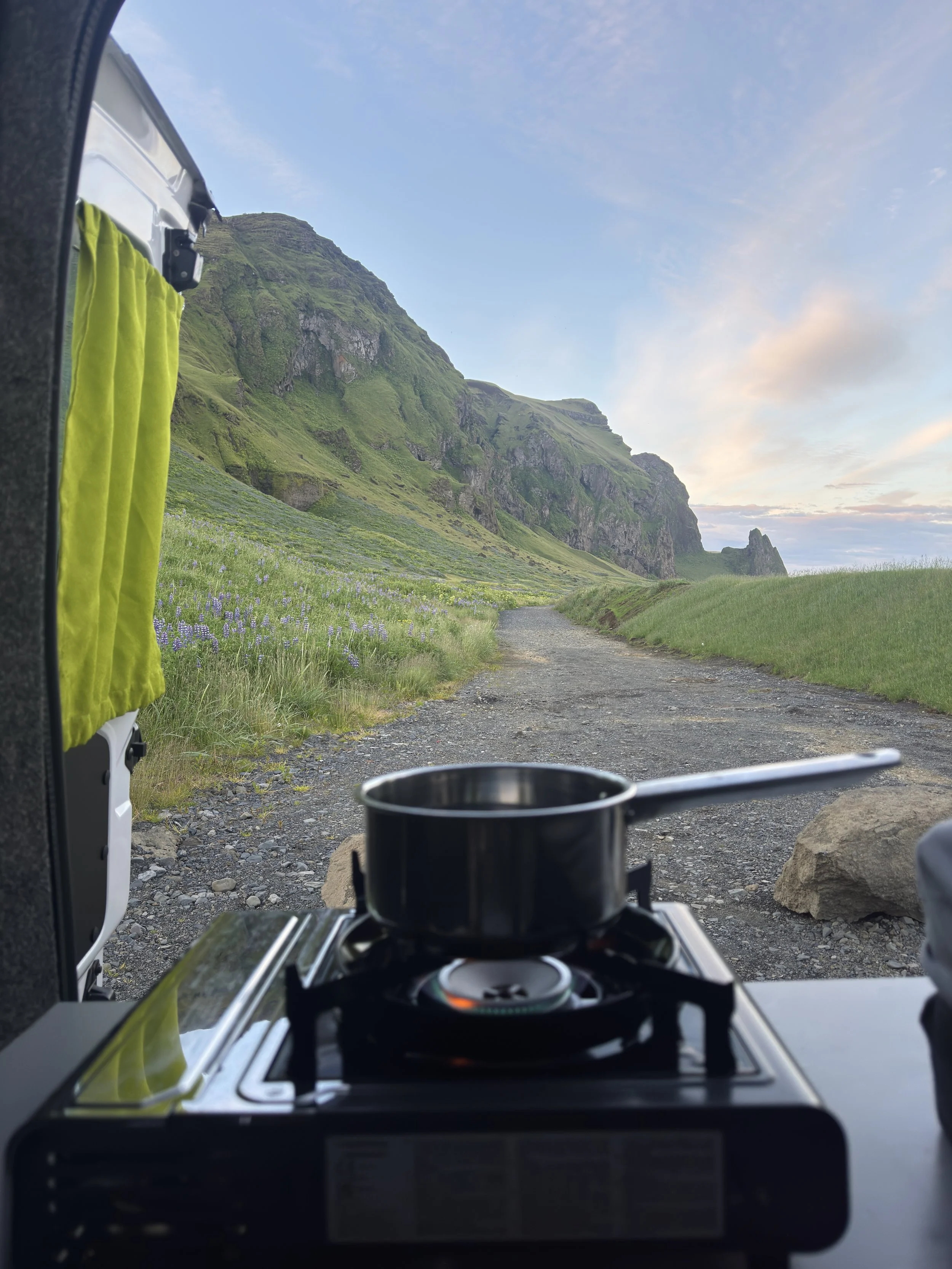
One of the biggest ways I saved money during my trip was by cooking many of my own meals.
Restaurants in Iceland are fantastic, but they add up quickly. Having a small kitchen inside the camper meant I could enjoy local restaurants when I wanted while still keeping my overall budget under control.
One of my favorite memories from the trip wasn't actually a famous landmark.
It was waking up around six in the morning near Seljalandsfoss, making coffee and breakfast inside the camper van, then sitting outside surrounded by green fields with waterfalls in the distance.
It was peaceful, quiet, and somehow became one of the moments I'll remember most.
You don't need elaborate recipes to eat well on the road.
Some of the easiest one-pot meals include pasta with marinara sauce and Italian sausage, chicken pesto pasta with spinach, chili with fresh bread, ramen topped with vegetables and a fried egg, macaroni and cheese with smoked sausage, breakfast hash with potatoes and eggs, or a simple stir fry with frozen vegetables and rice.
For breakfast, oatmeal with fruit and peanut butter, scrambled eggs, or yogurt with granola are quick options that require very little cleanup.
I recommend stopping at Bónus or Krónan immediately after picking up your camper van and buying groceries for the next several days. You'll save money and have the freedom to eat whenever the view is too good to leave.
If you're traveling with another person or cooking frequently, consider renting or bringing a second camp stove if available. Being able to cook two things at once makes evenings much easier after long days of driving.
Finding Gas and Saving Money
One thing I learned quickly is that gas stations become much less frequent once you leave larger towns.
Never assume another station is just around the corner.
Whenever I reached about half a tank, I filled up.
Go Campers also provides a discount fuel key card that works at participating stations throughout Iceland, making each fill-up a little less expensive over the course of the trip.
Their interactive route map was also incredibly helpful because I could easily see where the next station was before committing to another long stretch of driving.
Planning Your Route
One mistake many first-time visitors make is underestimating Iceland's driving times.
Even though distances don't look far on Google Maps, you'll constantly want to stop for waterfalls, viewpoints, glaciers, and roadside photo opportunities.
What looks like a three-hour drive can easily become a six-hour day.
I found it much easier to choose one general destination each day rather than trying to stick to a rigid schedule.
Using the route planning resources from Go Campers helped me understand realistic driving distances while also identifying grocery stores, campsites, and fuel stations along the way.
Staying at Campsites
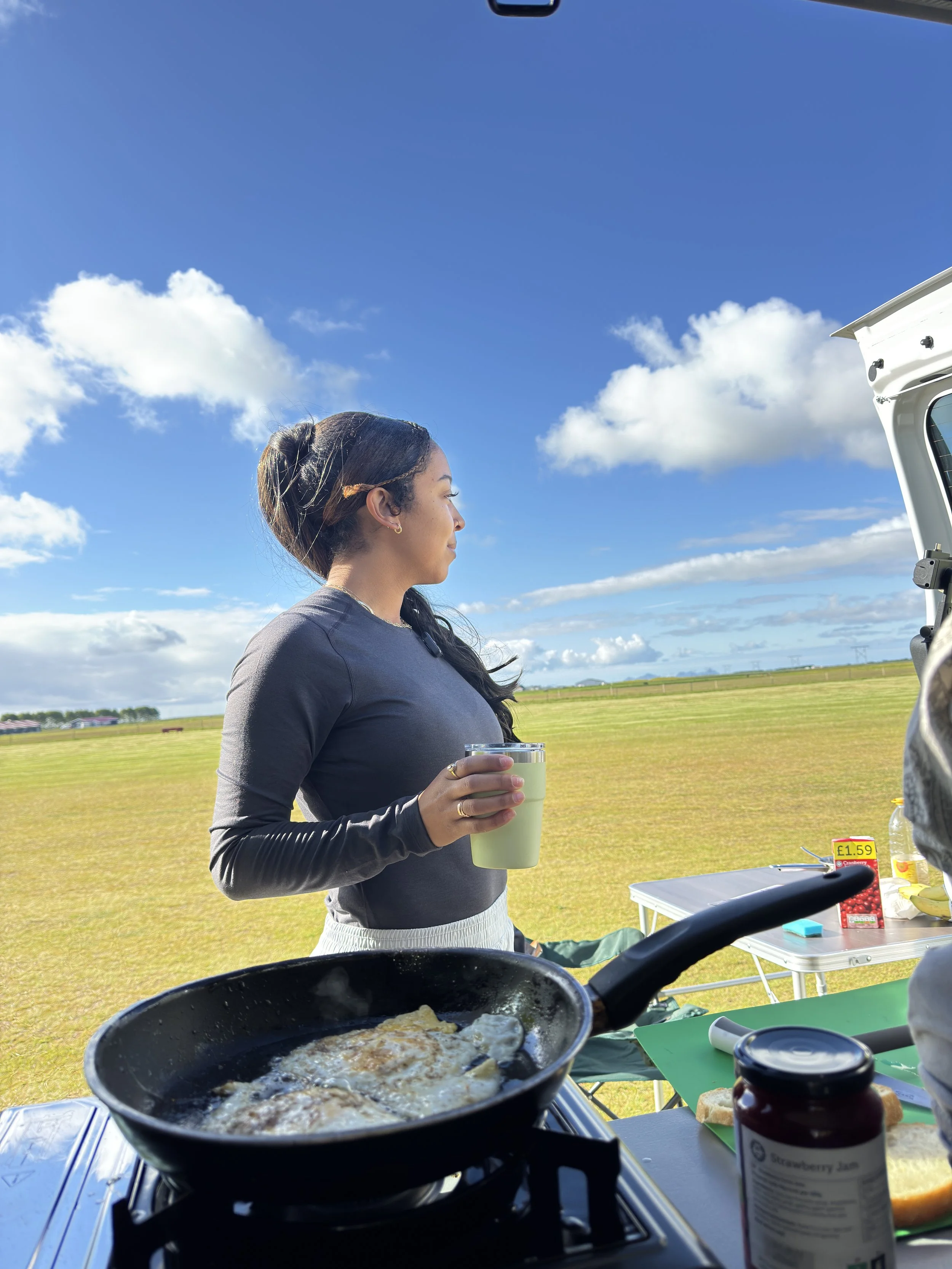
Camping in Iceland was much easier than I expected.
Most campsites include bathrooms, kitchens, electricity, fresh water, and common areas.
Many don't require reservations during the summer, making it easy to stay flexible if your plans change.
Some of my favorite overnight locations were near Seljalandsfoss, Vík, Selfoss, and Reykjavík.
Instead of choosing campsites simply because they were convenient, I started choosing them because they gave me incredible places to wake up.
That small shift completely changed the experience.
Camper Van Safety as a Solo Female Traveler
Before this trip, one of my biggest questions was whether I would feel safe traveling by camper van alone.
The answer was yes.
I stayed at established campsites, locked the van whenever I left, shared my general route with family, and trusted my instincts like I would anywhere else.
Beyond those basic precautions, I never once felt uncomfortable.
In fact, I often felt safer knowing I wasn't relying on public transportation or walking back to accommodations late at night.
Everything I needed was already with me.
Small Camper Van Hacks That Made a Big Difference
A few simple habits made life on the road much easier.
I packed clothing in packing cubes so I wasn't digging through my suitcase every morning.
I kept snacks, water, sunglasses, and chargers within reach of the driver's seat.
I charged every electronic device whenever I was driving.
I packed my bag each night before going to sleep so mornings felt relaxed instead of rushed.
Most importantly, I gave myself permission to stop whenever something looked interesting.
Some of my favorite memories came from unplanned waterfalls, empty viewpoints, and quiet roads I never expected to drive.
Why You Shouldn't Be Afraid to Slow Down
Iceland isn't a destination where you want to rush.
The drive is every bit as beautiful as the destinations themselves.
Some of my favorite moments weren't famous attractions at all.
They were eating breakfast outside the camper van while looking at waterfalls, making coffee in complete silence, or pulling over simply because the mountains looked incredible in that moment.
A camper van gives you permission to experience Iceland at its own pace.
I think that's the biggest luxury of all.
What I'd Do Differently Next Time
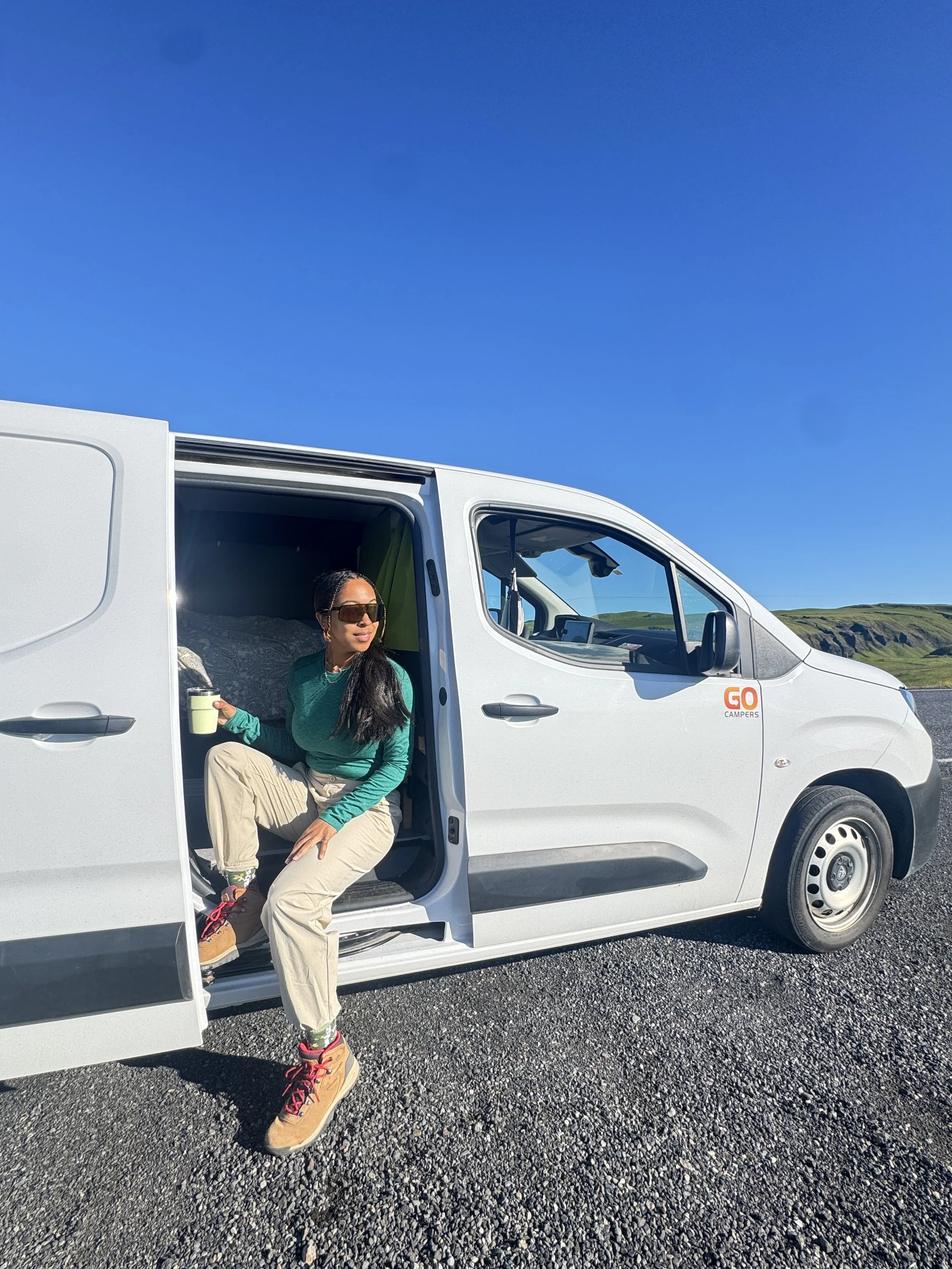
If I came back to Iceland, I wouldn't change much. I would simply give myself more time.
Three days was enough to completely fall in love with the country, but it also made me realize just how much there is left to see. If you're planning a camper van trip, I would recommend spending at least five days on the road. That gives you enough time to slow down, explore at your own pace, and avoid feeling like you have to rush from one destination to the next.
I also wish I had planned for even more camping. Some of my favorite memories weren't at famous landmarks at all. They were waking up beside waterfalls, making coffee with glacier views outside my window, cooking dinner after a long day of driving, and simply enjoying the quiet that comes with being surrounded by Iceland's landscapes.
Looking back, I realized the camper van wasn't just my transportation or my hotel. It became one of the best parts of the trip itself. The freedom to stop whenever something caught my eye, change plans based on the weather, and wake up somewhere completely different each morning made Iceland feel less like a vacation and more like an adventure.
Next time, I'll spend less time trying to see everything and more time enjoying wherever I happen to be parked.
