Driving in Iceland
Everything You Need to Know Before You Hit the Road
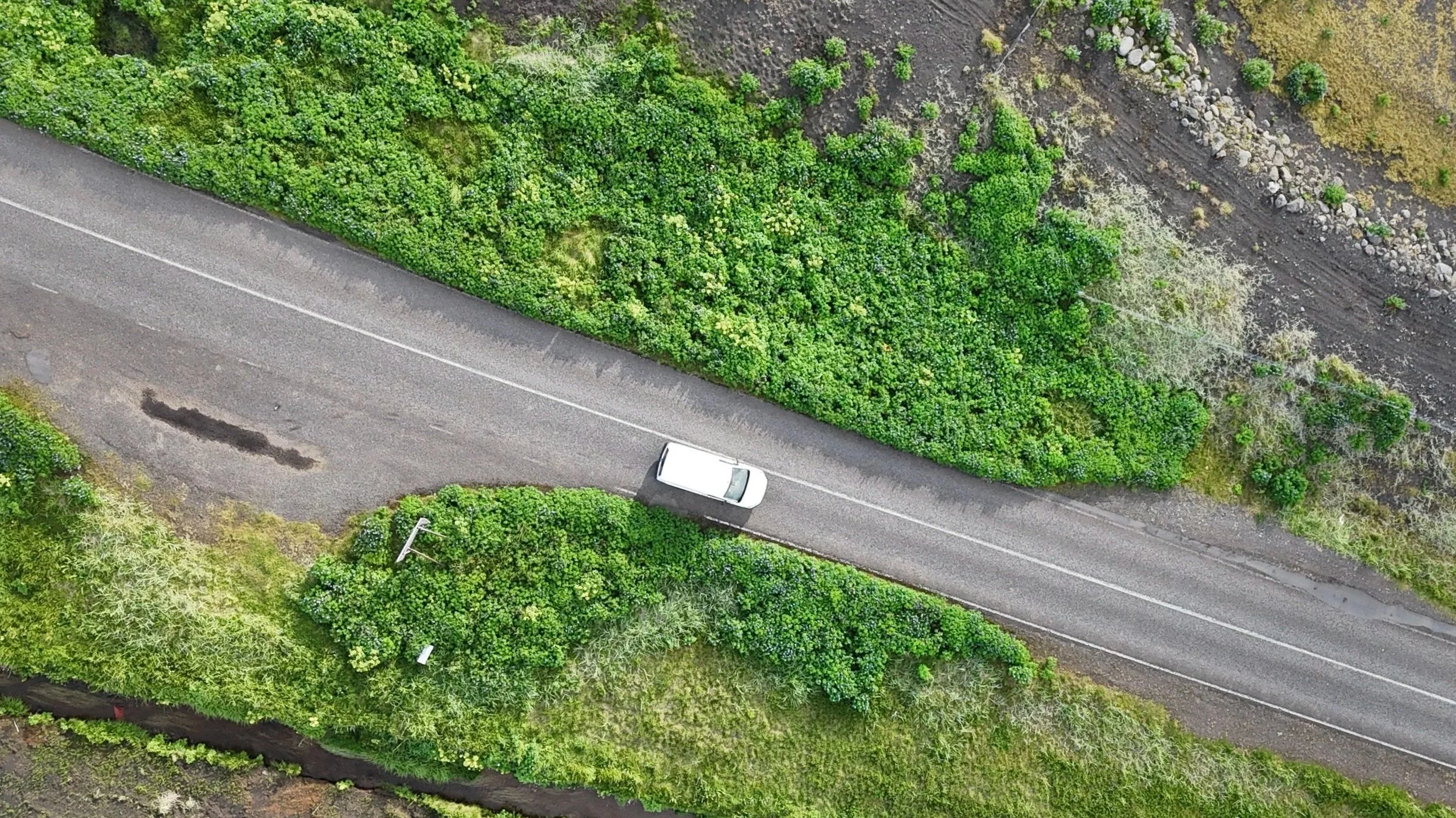
If you're planning to rent a car or camper van in Iceland, let me start by saying this: don't let the idea of driving intimidate you.
Before my trip, I had read countless articles warning about unpredictable weather, gravel roads, one-lane bridges, and sheep wandering into traffic. By the time I landed, I was expecting one of the most stressful driving experiences of my life.
The reality couldn't have been more different.
I found Iceland to be one of the easiest countries I've ever driven in. The roads are well maintained, drivers are respectful, and navigation is incredibly straightforward. That said, there are a few things that are unique to Iceland that every first-time visitor should know before getting behind the wheel.
Here are my biggest tips after road-tripping Iceland's South Coast by camper van.
Driving Is Easier Than You Think
One of the biggest surprises was just how relaxing it was to drive around Iceland.
Outside of Reykjavík, traffic is almost nonexistent. Once you leave the city, you'll spend most of your day driving through waterfalls, lava fields, glaciers, black sand beaches, and mountain landscapes rather than sitting behind other cars.
Google Maps worked perfectly throughout my trip, and I never had trouble finding campsites, attractions, restaurants, or gas stations.
If you're comfortable driving in the United States, Canada, or Europe, you'll likely feel comfortable driving in Iceland too.
Distances Can Be Deceiving
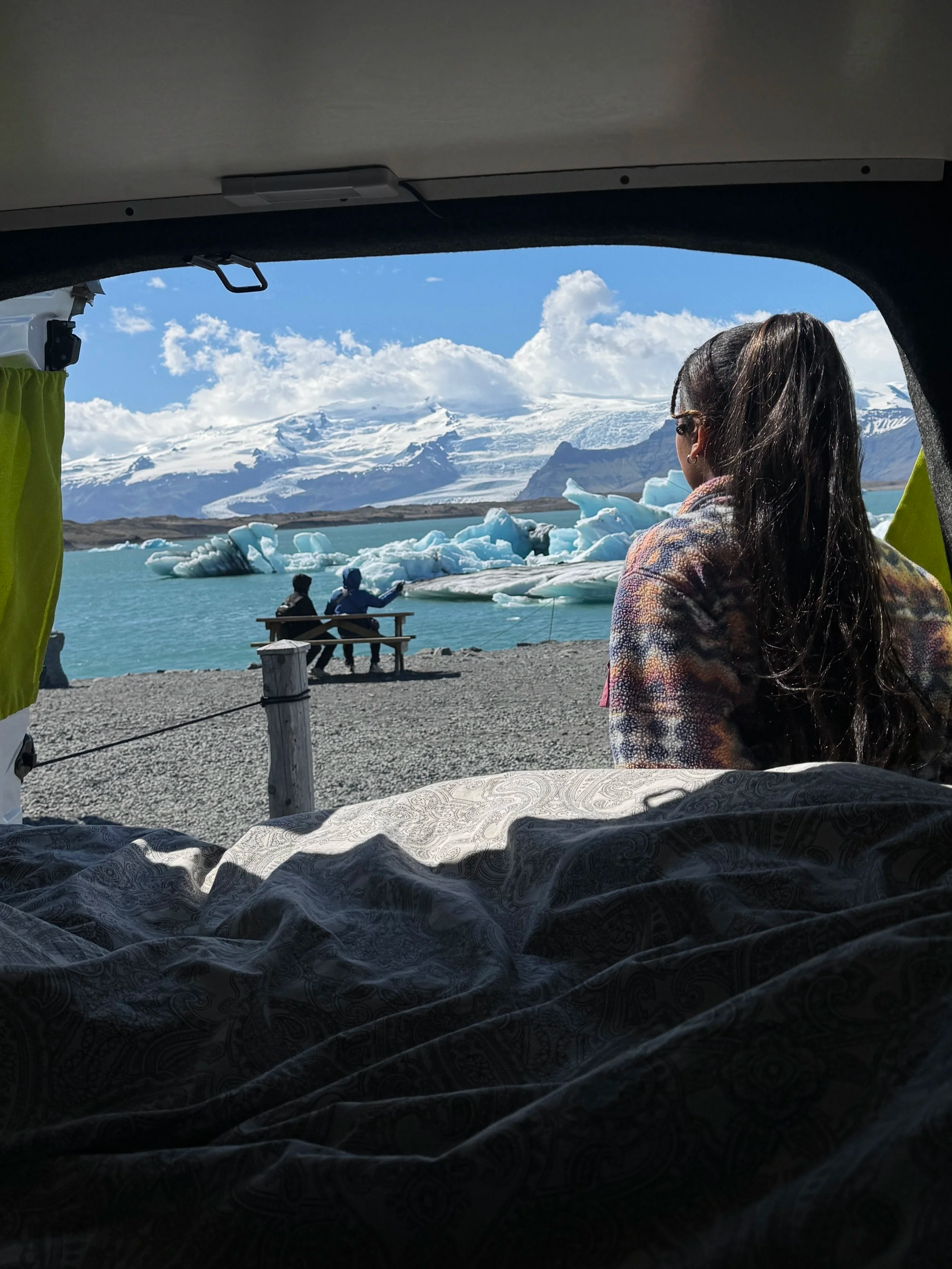
One mistake many first-time visitors make is assuming Google Maps tells the whole story.
It doesn't.
A drive that looks like three hours can easily become five or six.
Why?
Because you'll constantly be pulling over.
One waterfall turns into another.
A glacier appears around the next corner.
You notice horses standing beside the road.
Then there's another viewpoint.
And another.
The drive itself becomes part of the adventure.
Instead of planning every hour, I recommend choosing one main destination each day and allowing yourself plenty of time to stop along the way.
Those unplanned stops often become your favorite memories.
Watch Out for Icelandic Sheep
This may sound funny, but the biggest obstacle I encountered wasn't traffic.
It was sheep.
During the summer months, thousands of sheep roam freely throughout the countryside.
They cross roads without warning, stand in the middle of highways, and often travel in groups.
If you see one sheep, slow down immediately because there's almost always another one following behind.
Never swerve suddenly.
Simply reduce your speed and allow them to cross.
One-Lane Bridges Are Completely Normal
Throughout Iceland, especially along the South Coast, you'll come across one-lane bridges.
The first one might catch you off guard, but they're incredibly easy to navigate.
The general rule is simple.
Whichever vehicle reaches the bridge first has the right of way.
Slow down as you approach, check for oncoming traffic, and proceed when it's your turn.
After crossing a few, you'll hardly notice them anymore.
Wind Is More Dangerous Than Rain
Before visiting Iceland, I assumed snow would be the biggest concern.
Instead, it was the wind.
Iceland experiences incredibly strong wind gusts throughout the year, even during summer.
One of the biggest mistakes visitors make is opening their vehicle door without checking the wind first.
Strong gusts can catch a door instantly, swinging it open with enough force to damage the hinges or even rip it from your hand.
Every single time I got out of the camper van, I made a habit of checking the wind direction first and holding onto the door firmly with both hands.
It sounds simple, but it can save you from a very expensive repair bill.
Buy the Best Insurance You Can
If there's one place I wouldn't cut corners, it's insurance.
Between gravel roads, flying rocks, strong winds, and unpredictable weather, accidents don't always happen because someone is driving poorly.
Sometimes they're simply part of traveling through Iceland.
I chose the highest level of insurance available because I wanted to enjoy the trip instead of constantly worrying about every small scratch, rock chip, or weather event.
For me, the extra peace of mind was worth every penny.
If you're renting a camper van, especially for several days, I'd strongly recommend doing the same.
Fuel Up Earlier Than You Think
Gas stations become much less common once you leave larger towns.
I made it a habit to refill whenever my tank reached about half full instead of waiting until I was almost empty.
That simple habit eliminated any stress about running low in more remote parts of the country.
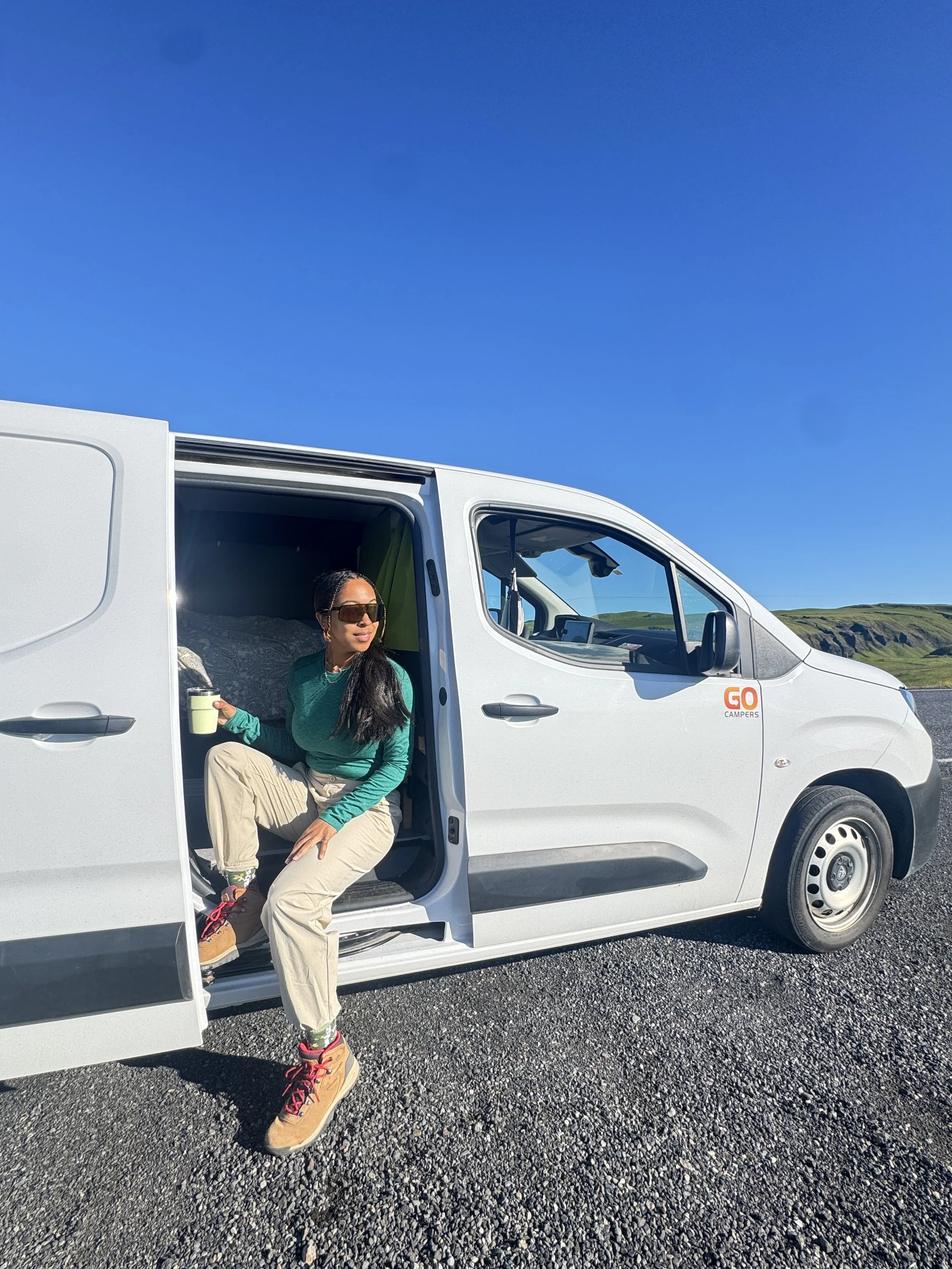
One feature I loved with Go Campers was their discounted fuel key card, which saves money at participating gas stations throughout Iceland.
It may not seem like much during one fill-up, but over several days of driving, the savings definitely add up.
I also found their interactive route map incredibly helpful because it shows nearby gas stations along your planned route before you ever leave camp.
Download a Few Helpful Apps
Before your trip, download Google Maps and offline maps just in case you lose service in remote areas.
I also recommend downloading:
SafeTravel Iceland for road and weather updates
Parka for paid parking at popular attractions
Vedur for Iceland's weather forecasts
Weather changes quickly in Iceland, and checking conditions before driving each morning became part of my routine.
Parking Is Easier Than Expected
Most natural attractions have designated parking lots, although many now charge small parking fees.
Payment is usually done through parking meters or apps like Parka.
In Reykjavík, I found parking surprisingly simple as well.
On my final night, I parked along a city street after exploring downtown and had no trouble finding a legal overnight spot.
Just be sure to pay attention to posted signs and parking zone hours.
Gravel Roads Aren't as Scary as They Sound
Many visitors panic when they hear about Iceland's gravel roads.
Most are well maintained and perfectly manageable if you simply slow down.
The bigger concern is loose gravel being thrown by passing vehicles.
Leave extra space between cars and reduce your speed when another vehicle approaches.
If you're planning to explore Iceland's Highlands or F-roads, that's a different story.
Those roads require four-wheel drive vehicles and often involve river crossings.
For most visitors driving the Ring Road or South Coast during summer, you'll likely never need to worry about them.
Driving Alone as a Woman
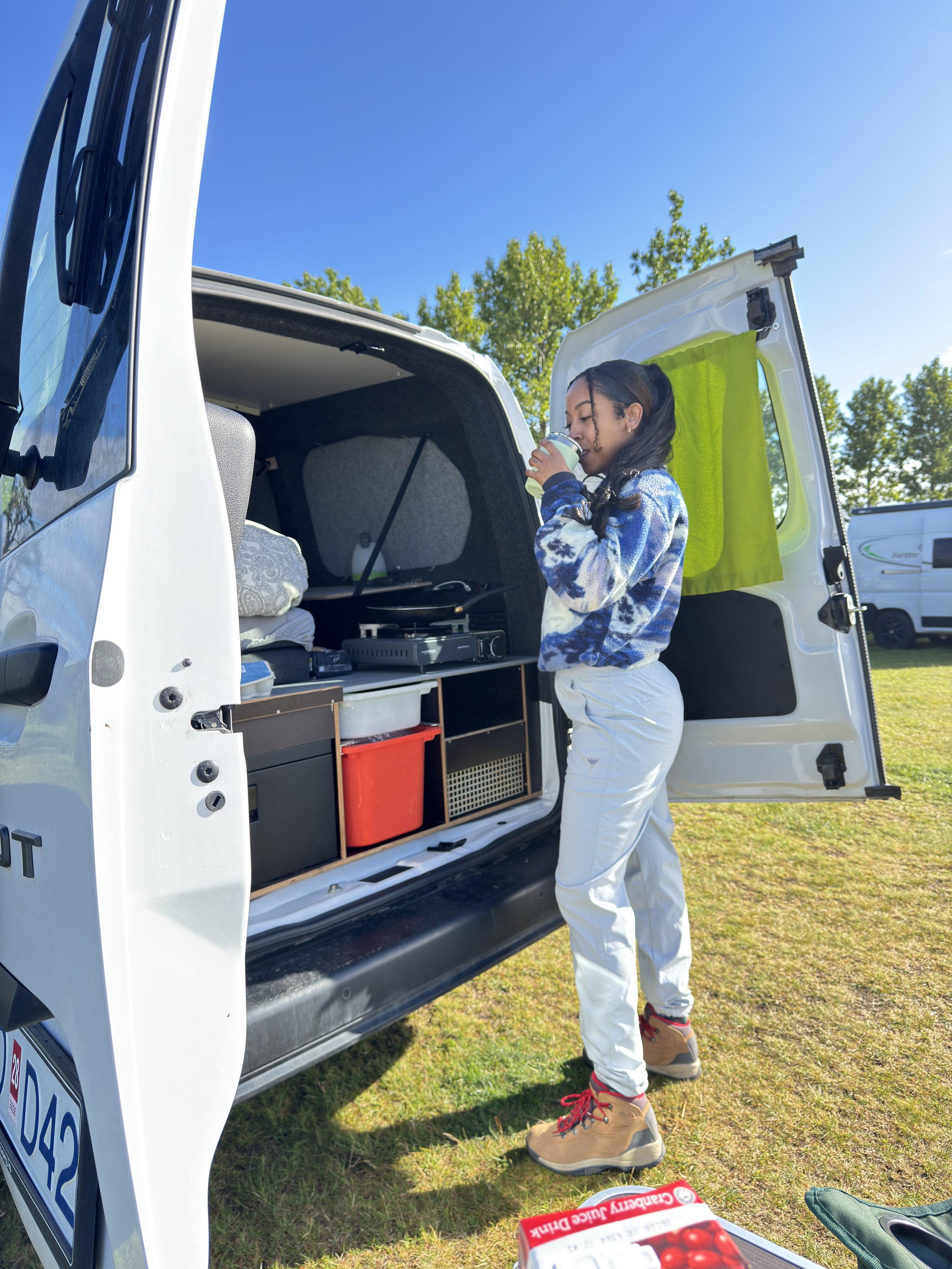
Before my trip, one of my biggest questions was whether I'd feel comfortable road-tripping Iceland alone.
The answer was absolutely.
I never once felt unsafe.
The roads were quiet, other travelers were friendly, and campsites felt welcoming and well organized.
I still followed common-sense precautions by locking my camper van, sharing my general route with family, and trusting my instincts.
Beyond that, Iceland quickly became one of the safest countries I've ever explored solo.
The Best Part Isn't the Destination
Looking back, my favorite part of driving through Iceland wasn't actually arriving somewhere.
It was everything in between.
The random waterfall I hadn't planned to stop at.
The horses grazing beside the road.
The glacier that suddenly appeared around a bend.
The coffee breaks overlooking lava fields.
The freedom to pull over whenever something caught my eye.
That's what makes road-tripping Iceland so different.
The road isn't simply how you get somewhere.
It becomes one of the main attractions.
Before You Go
If I could give one piece of advice to anyone planning an Iceland road trip, it would be this: slow down.
Don't try to cram every famous landmark into a single itinerary.
Give yourself time to stop at places that aren't on your map, spend an extra hour at a waterfall, or take the scenic detour just because it looks interesting.
Some of my favorite memories happened between the destinations I had planned.
And that's exactly what makes driving through Iceland so unforgettable.
