My 5-Day Peru Itinerary
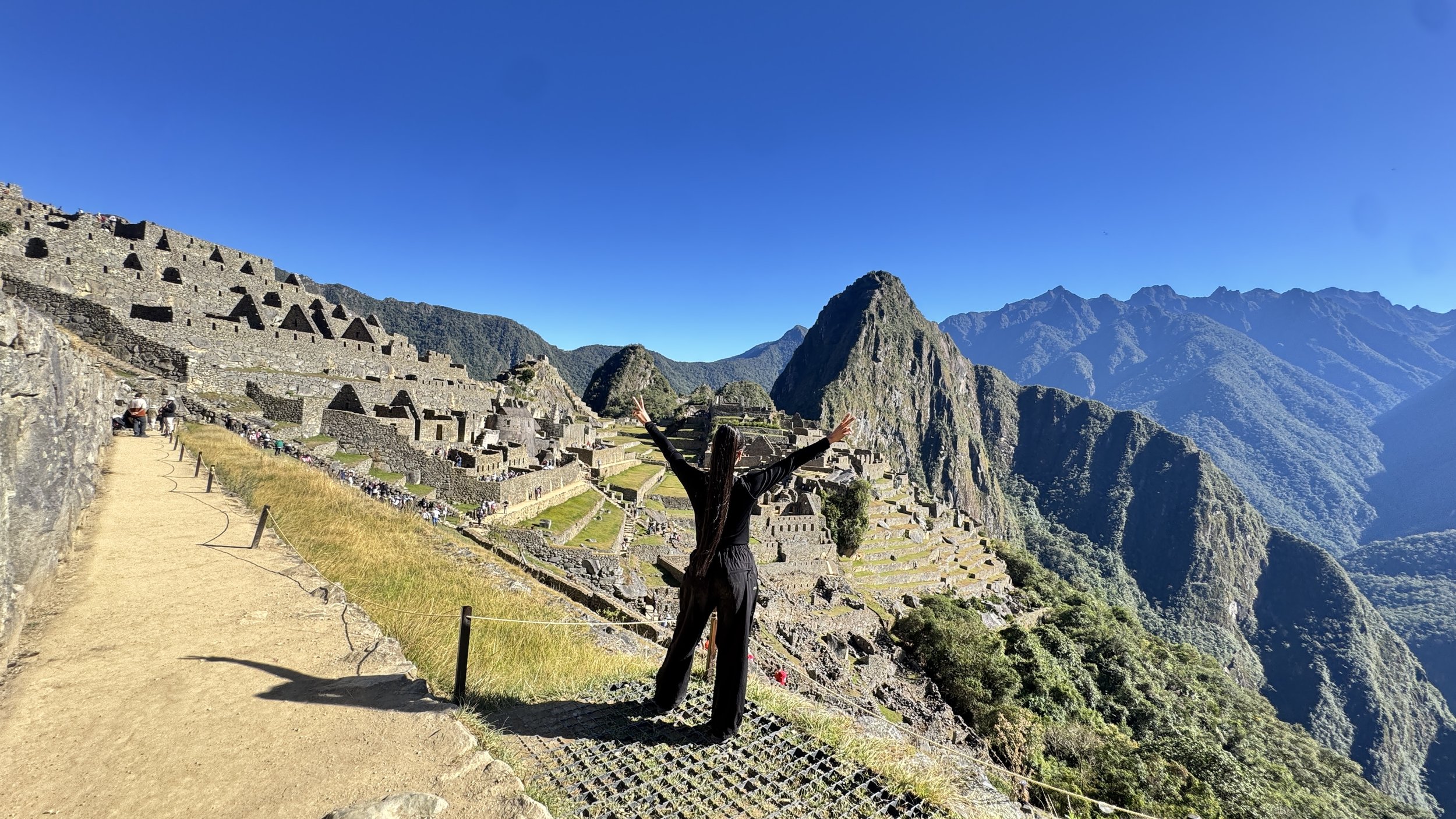
Peru was one of those trips where I immediately realized five days was nowhere near enough.
There is so much to see, eat, explore, and experience that you could easily spend weeks traveling around the country. But if you only have five days, you can still have an incredible trip if you plan your route carefully and don't try to cram every corner of Peru into one itinerary.
For my trip, I focused on Cusco, the Sacred Valley, and Machu Picchu. I wanted a mix of mountain scenery, beautiful hotels, incredible food, culture, and adventure, with Machu Picchu as the centerpiece.
If you're planning your first trip to Peru and don't know where to start, this is the itinerary I would recommend for a five-day trip, along with everything I think you should know before you go.
And if you would rather experience travel with a group instead of planning every transportation connection, hotel, activity, and excursion yourself, I'm also putting together group trips.
Click here to get information about my upcoming group trips.
Before You Go: What You Need to Know About Peru
Peru is one of those destinations where the logistics really matter.
You're not simply flying into one city and driving around to everything you want to see. The Andes, altitude, winding mountain roads, train schedules, and distances between destinations all affect how you should build your itinerary.
The biggest mistake I would make is trying to do too much.
If you only have five days, I would focus on the Cusco and Sacred Valley region and make Machu Picchu the main event.
There are so many other incredible places in Peru, including Lima, the Amazon, Lake Titicaca, Arequipa, the Colca Canyon, and Huacachina, but adding them to a five-day trip will turn your vacation into a transportation marathon.
I would rather see fewer places and actually enjoy them than spend the entire trip sitting in a car, bus, or airport.
When Is the Best Time to Visit Peru?
For a classic Cusco, Sacred Valley, and Machu Picchu trip, the dry season from roughly May through September is generally the most popular time to visit.
This is also peak travel season, so you should expect more visitors around Machu Picchu and other major attractions.
The rainy season can bring beautiful scenery and fewer crowds, but weather can affect hiking conditions and transportation.
If Machu Picchu is your priority, I would choose your dates based on the experience you want rather than simply trying to find the cheapest month.
And regardless of when you go, remember that the weather can change dramatically throughout the day in the Andes.
You can be freezing in the morning, sweating in the afternoon, and reaching for your rain jacket an hour later.
Layers are your best friend.
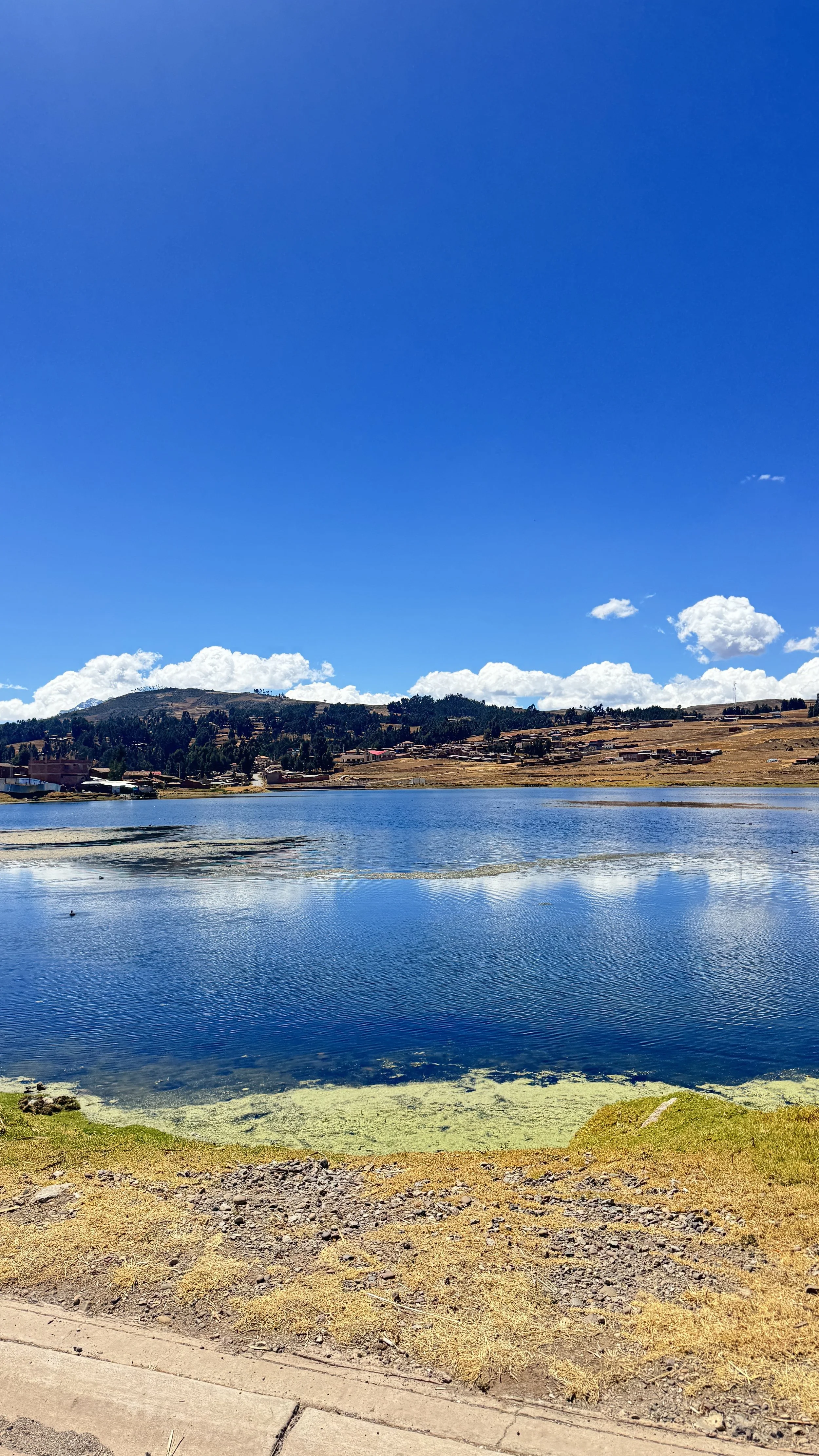
Altitude in Peru: What I Wish I Knew Before Going
Altitude is probably the biggest thing I would prepare for before a trip to Peru.
Cusco sits at roughly 11,000 feet above sea level, which is high enough that even very fit people can feel the effects.
The important thing to remember is that altitude sickness isn't a reflection of how athletic you are. Your body simply needs time to adjust to having less oxygen available.
The CDC recommends ascending gradually when possible and avoiding strenuous exercise and alcohol during the first 48 hours at high elevation.
Start Hydrating Before Your Trip
One of the easiest things I would do is start paying attention to hydration before I even get on the plane.
I wouldn't try to excessively water-load yourself, but going into the trip well hydrated and continuing to drink plenty of water once you arrive is important.
Once you're in Peru, keep a water bottle with you everywhere.
The dry mountain air, walking, sun, and altitude can make you feel dehydrated much faster than you realize.
Take Your First Day Slowly
This is one of the biggest itinerary mistakes I would avoid.
Don't land in Cusco and immediately schedule a 12-hour hike.
Give your body time to adjust. Walk around, eat, drink water, take a nap if you need one, and keep your first day relatively easy.
This is one reason I like starting a trip in the Sacred Valley. You can ease into the trip instead of immediately throwing yourself into one of the highest elevations on your itinerary.
Coca Tea
Coca tea is one of the traditional things you'll see everywhere in the Andes.
You'll find coca leaves at hotels, restaurants, cafés, and markets, and locals have used coca leaves for generations.
I enjoyed having coca tea while I was there, especially in the mornings.
You'll also see coca leaves offered in their natural form. One of the things you'll notice is that some people take a few leaves, rub or warm them between their hands, and inhale the aroma.
It becomes almost part of the experience of being in the Andes.
Coca tea and leaves are part of the local culture, but they aren't a substitute for acclimatization or medical treatment.
If you develop significant altitude symptoms, don't try to push through them.
Eat Lightly at First
Another thing I would avoid is arriving at altitude and immediately eating a huge, heavy meal.
Start with smaller meals and foods that are easier on your stomach.
Soups, rice, potatoes, vegetables, fruit, and lighter Peruvian dishes can be a good way to ease into the first day.
And save the cocktails for later.
The CDC recommends avoiding alcohol and heavy exercise during the first 48 hours at high elevation.
Don't Confuse Altitude Sickness With Being Tired
Headache, fatigue, loss of appetite, nausea, and dizziness can all be symptoms of acute mountain sickness.
If symptoms become severe, especially confusion, difficulty walking, extreme fatigue, or shortness of breath, altitude illness can become dangerous.
If you're concerned about altitude or have an underlying medical condition, talk to your doctor before your trip.
Day 1: Arrive in Cusco & Head Into the Sacred Valley
If you're flying into Cusco, don't make the mistake of immediately filling your first day with strenuous activities.
Cusco sits at a very high elevation, so altitude is something you should take seriously.
Instead, I would use your first day to arrive, settle in, drink plenty of water, eat something light, and make your way into the Sacred Valley.
This is one reason I loved staying outside the busy city environment and waking up surrounded by mountains.
The Sacred Valley is lower than Cusco and gives you a more relaxed introduction to the Andes.
Where to Stay in the Sacred Valley
Two completely different hotel experiences stood out to me during my Peru trip.
Viajero Cusco Hostel
For a more social and budget-friendly stay in Cusco, Viajero Cusco Hostel is a great option. Located in the historic center, it is just a short walk from the Plaza de Armas, making it an incredibly convenient base for exploring Cusco on foot.
What I like about Viajero is that it feels like more than just a place to sleep. There are both shared dorms and private rooms, along with free Wi-Fi, a restaurant and bar, common areas, luggage storage, a 24-hour front desk, and a tour desk where you can arrange excursions and activities.
The hostel also has a pool table, games, organized activities, and live entertainment, making it a particularly good choice if you're traveling solo and want an easy way to meet other travelers. They also offer coca tea, which is a nice touch when you're adjusting to Cusco's high altitude.
The location is probably the biggest perk. You're close to the Plaza de Armas, restaurants, shops, San Blas, and many of Cusco's main attractions, so you can do a lot of exploring without constantly needing a taxi.
If you're looking for a luxury hotel, this isn't it. But if you want a central, affordable, social place to stay with plenty of amenities, Viajero is definitely worth considering, especially for solo travelers and anyone who wants to be close to the action.
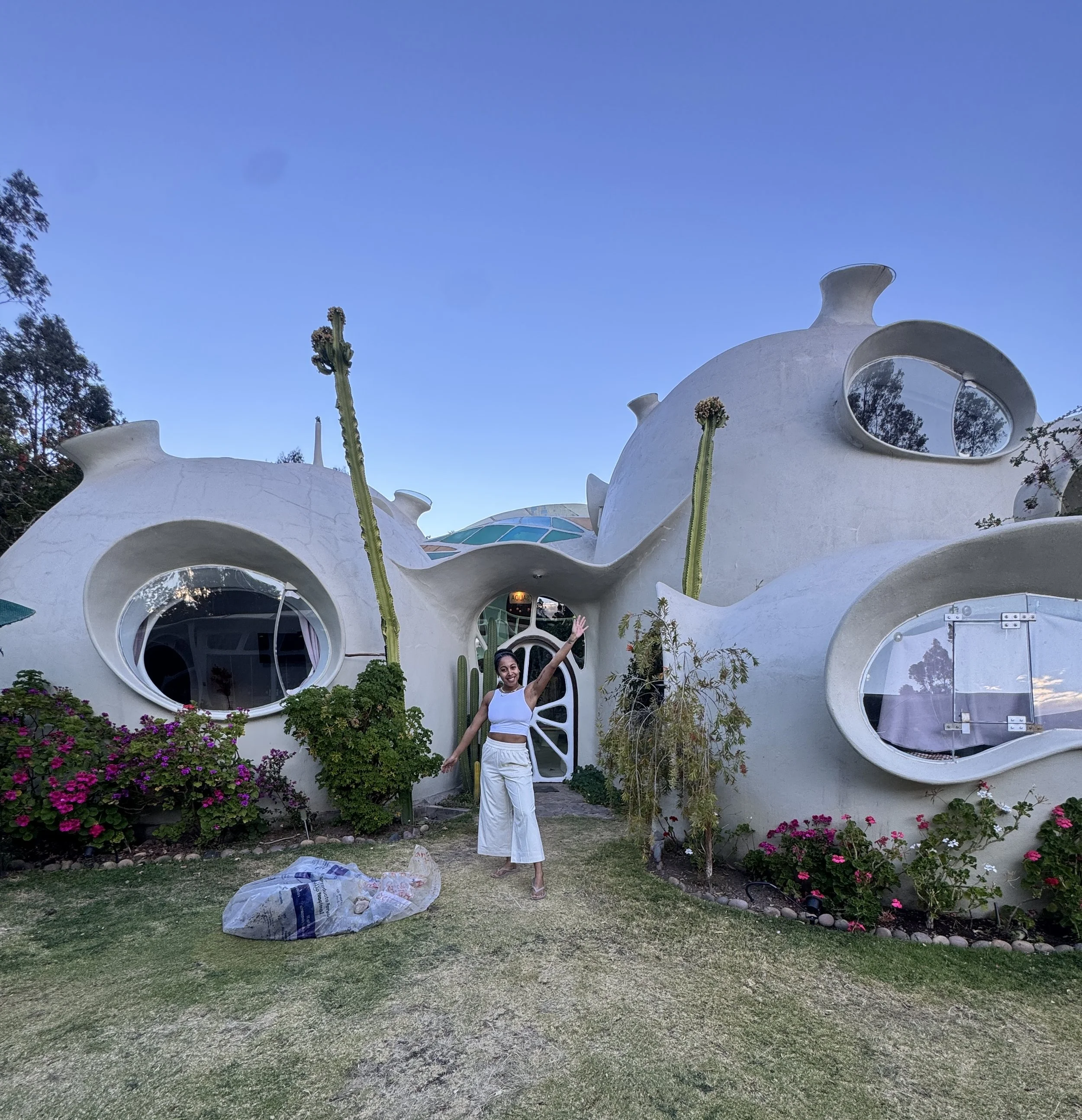
Wifala Harmony Hotel
If you're looking for a more traditional boutique hotel experience, Wifala Harmony Hotel is a beautiful option in Urubamba.
The property is surrounded by gardens and mountain scenery and has a restaurant, bar, spa, heated pool, and rooms designed with Andean-inspired details.
Its location also makes it convenient for exploring attractions throughout the Sacred Valley.
I would recommend this type of stay if you want somewhere peaceful and beautiful but still want traditional hotel amenities.
I have a full guide to my stay at Wifala Harmony Hotel coming separately, including the rooms, property, food, location, and who I think should stay there.
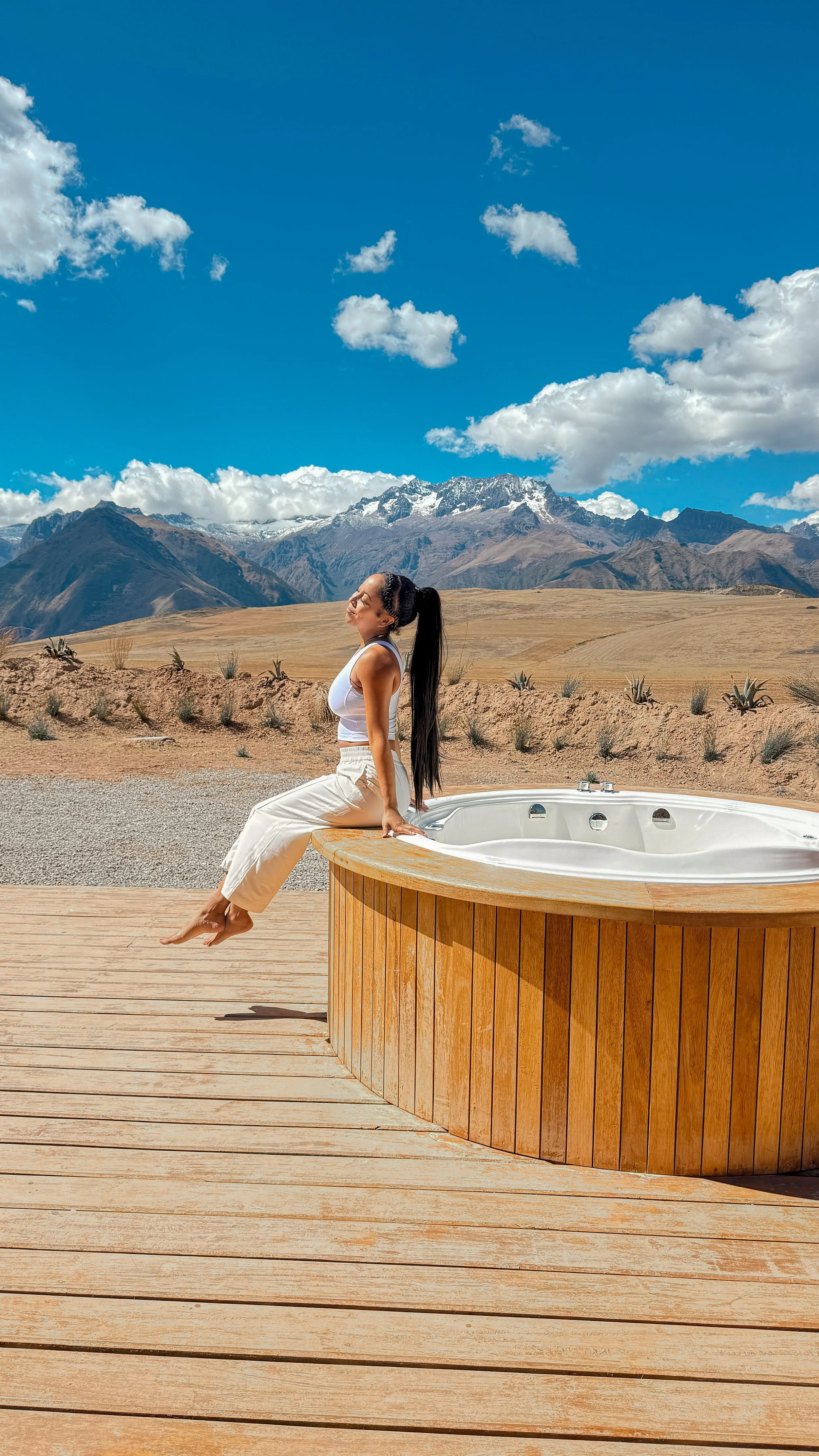
Mountain View Experience
If you're looking for something completely different, Mountain View Experience is the stay I'd choose for the scenery alone.
Located in the Maras area, Mountain View is built around disconnecting from everyday life and reconnecting with the surrounding Andes.
The A-frame accommodations are surrounded by mountain views, and the property offers experiences including horseback riding, ATV excursions, outdoor activities, and more.
This is less of a traditional hotel stay and more of an experience.
I have a separate full guide to Mountain View Experience, because there is way too much to say about this property to squeeze into one itinerary.
Want to Experience Travel With Me?
After planning my own Peru trip, I realized just how many moving pieces there are. Hotels, transportation, Machu Picchu tickets, trains, tours, altitude, restaurants, and day trips can quickly become overwhelming.
If you'd rather explore the world with a group and have the major logistics handled for you, you can get information about upcoming trips here.
Day 2: Explore the Sacred Valley
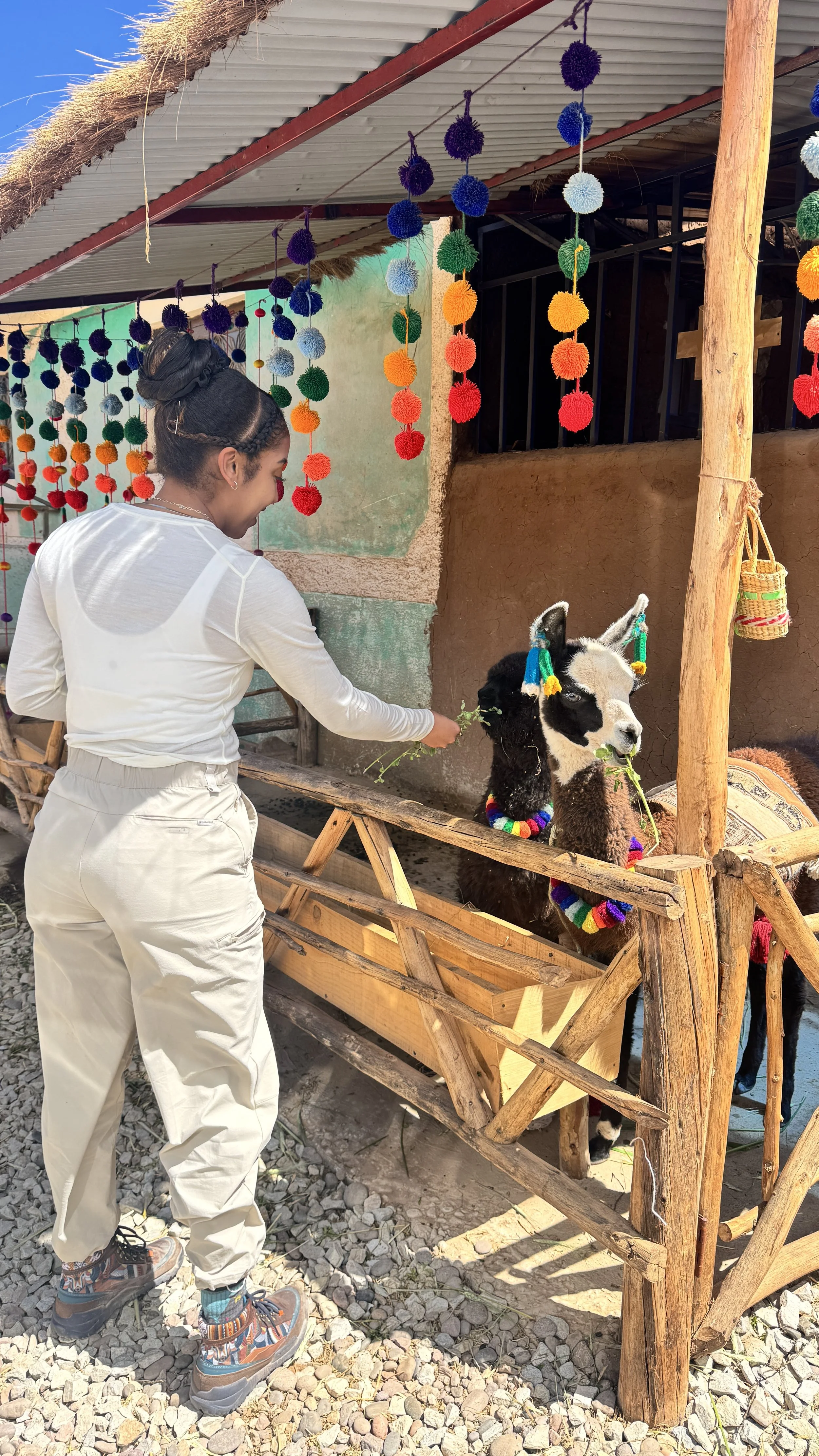
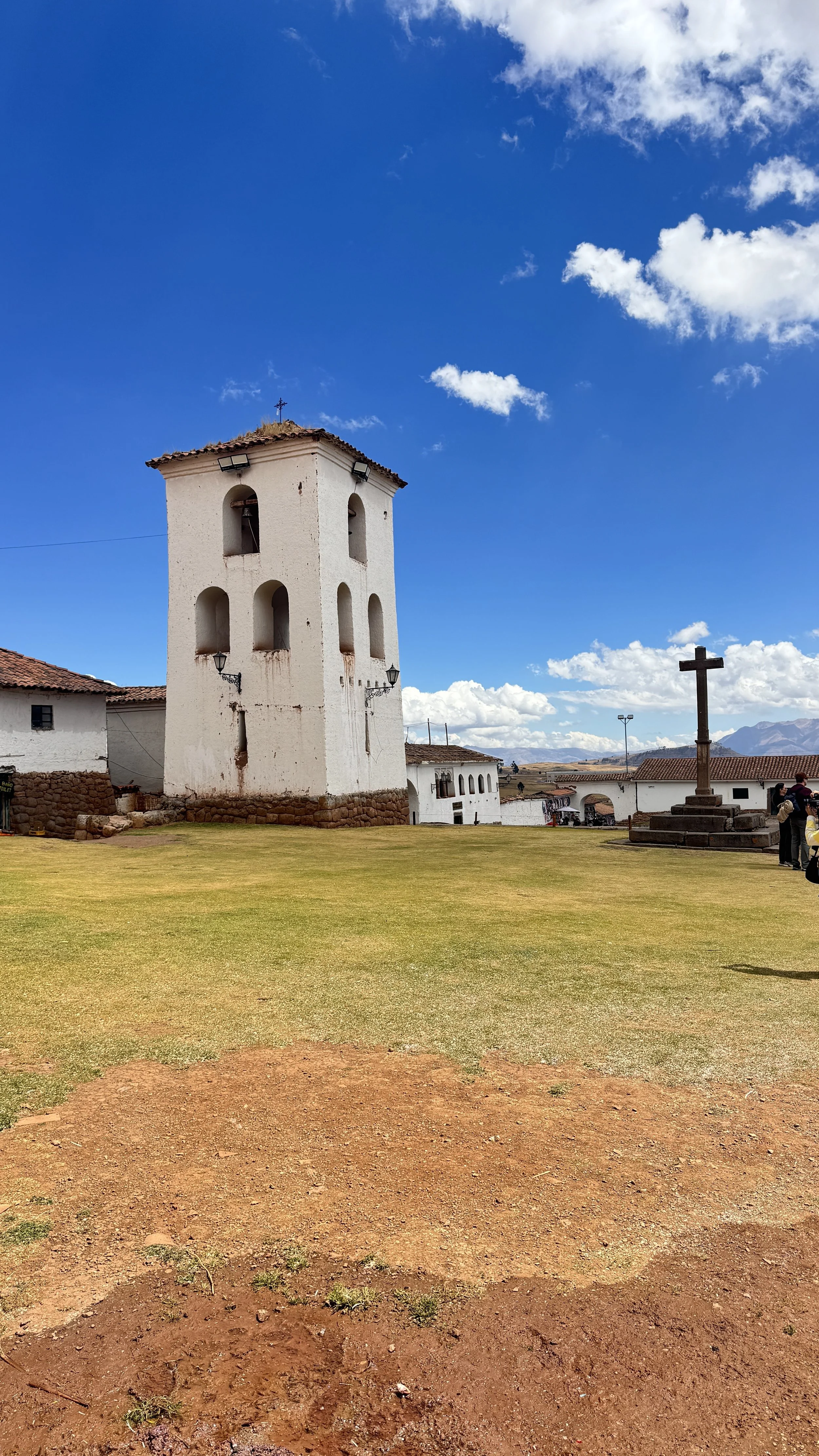
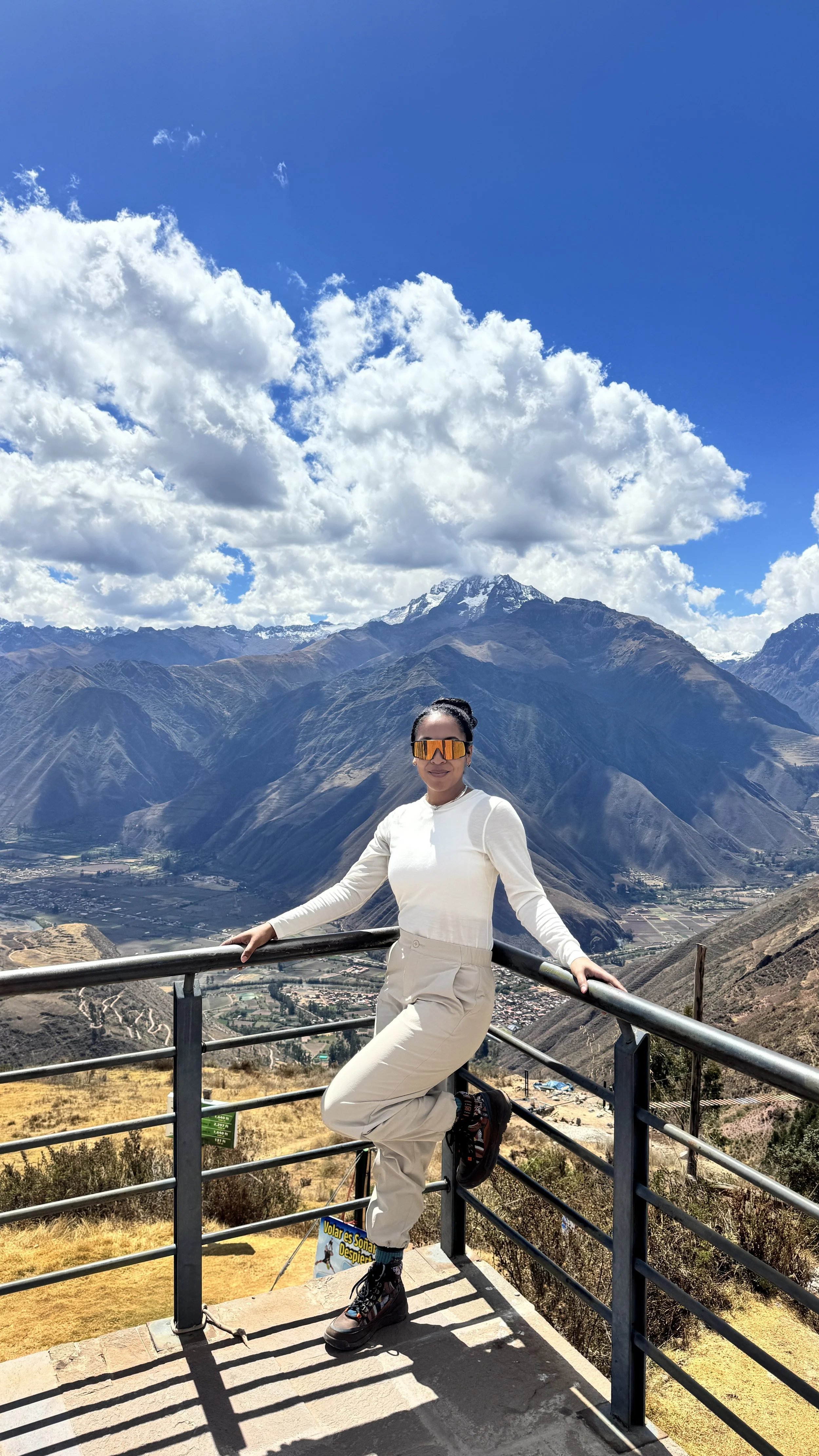
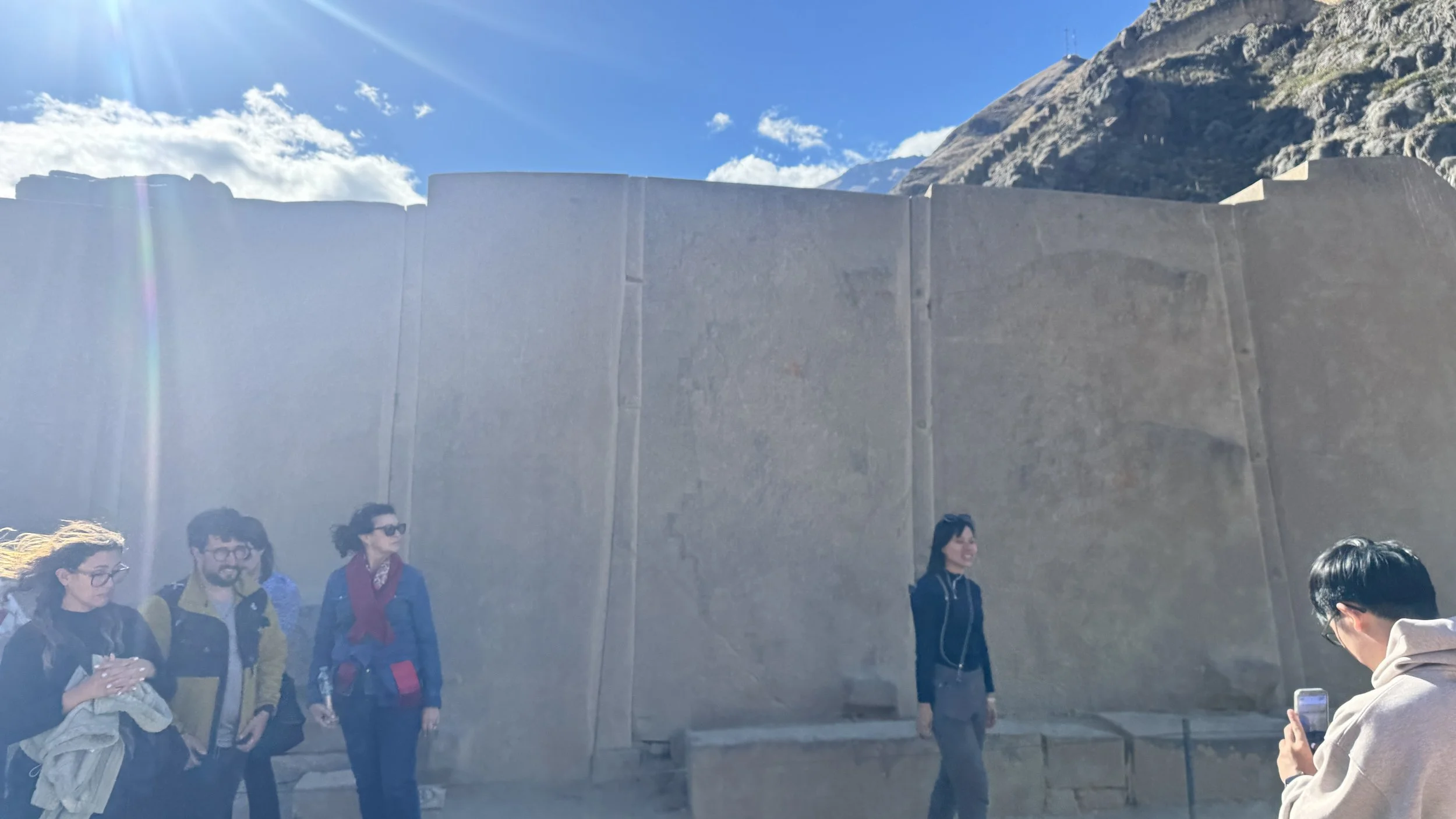
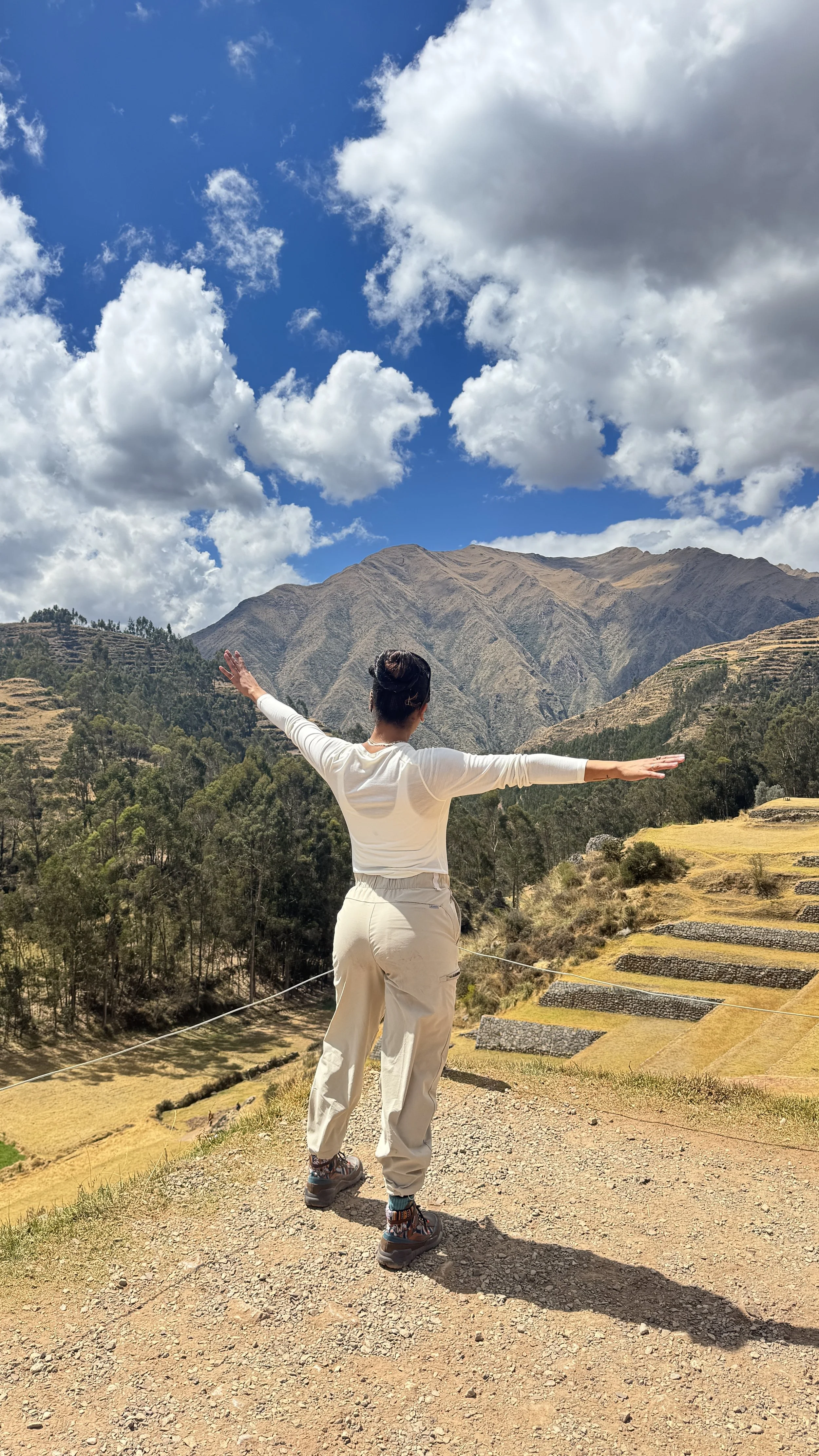
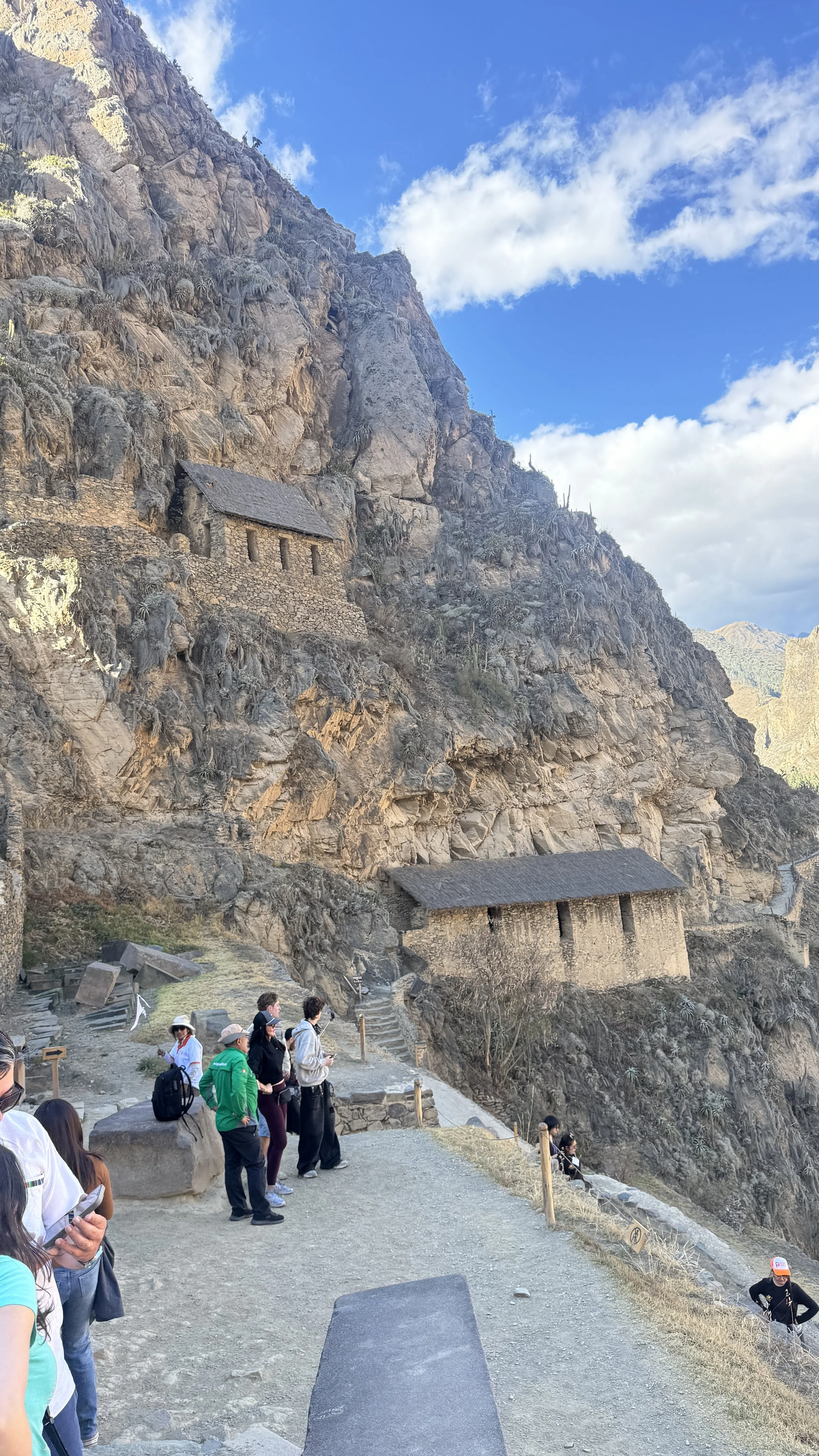
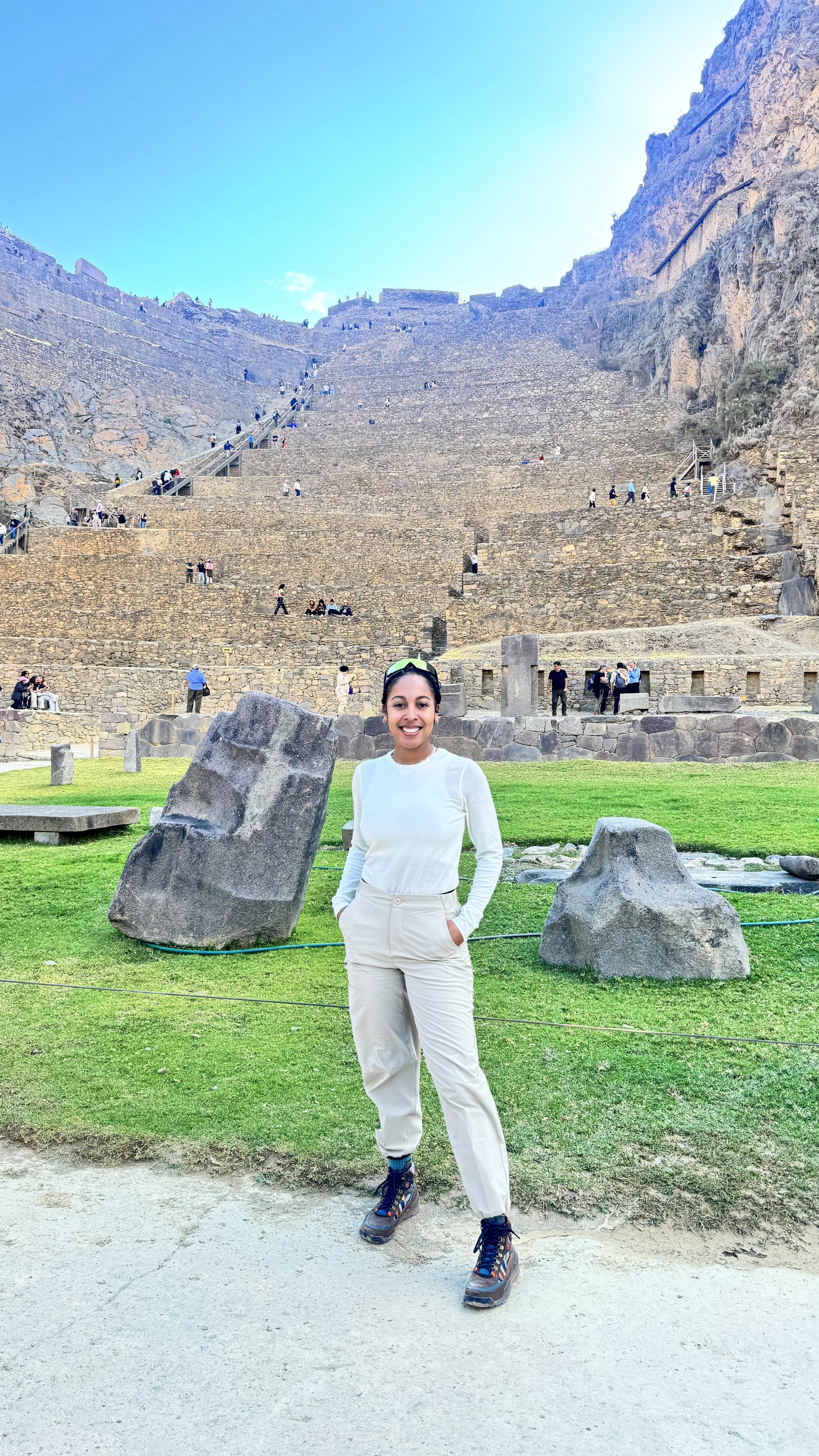
This is the day when I would really slow down and experience the Sacred Valley.
The valley is filled with archaeological sites, traditional villages, mountains, markets, and some of the most beautiful scenery in Peru. Depending on where you're staying, you can build your day around Maras, Moray, Ollantaytambo, Pisac, or Chinchero. You don't need to do all of them. In fact, I wouldn't. Pick two or three and give yourself time to actually enjoy them. The Sacred Valley is one of those places where the drive between destinations is part of the experience.
Maras Salt Mines
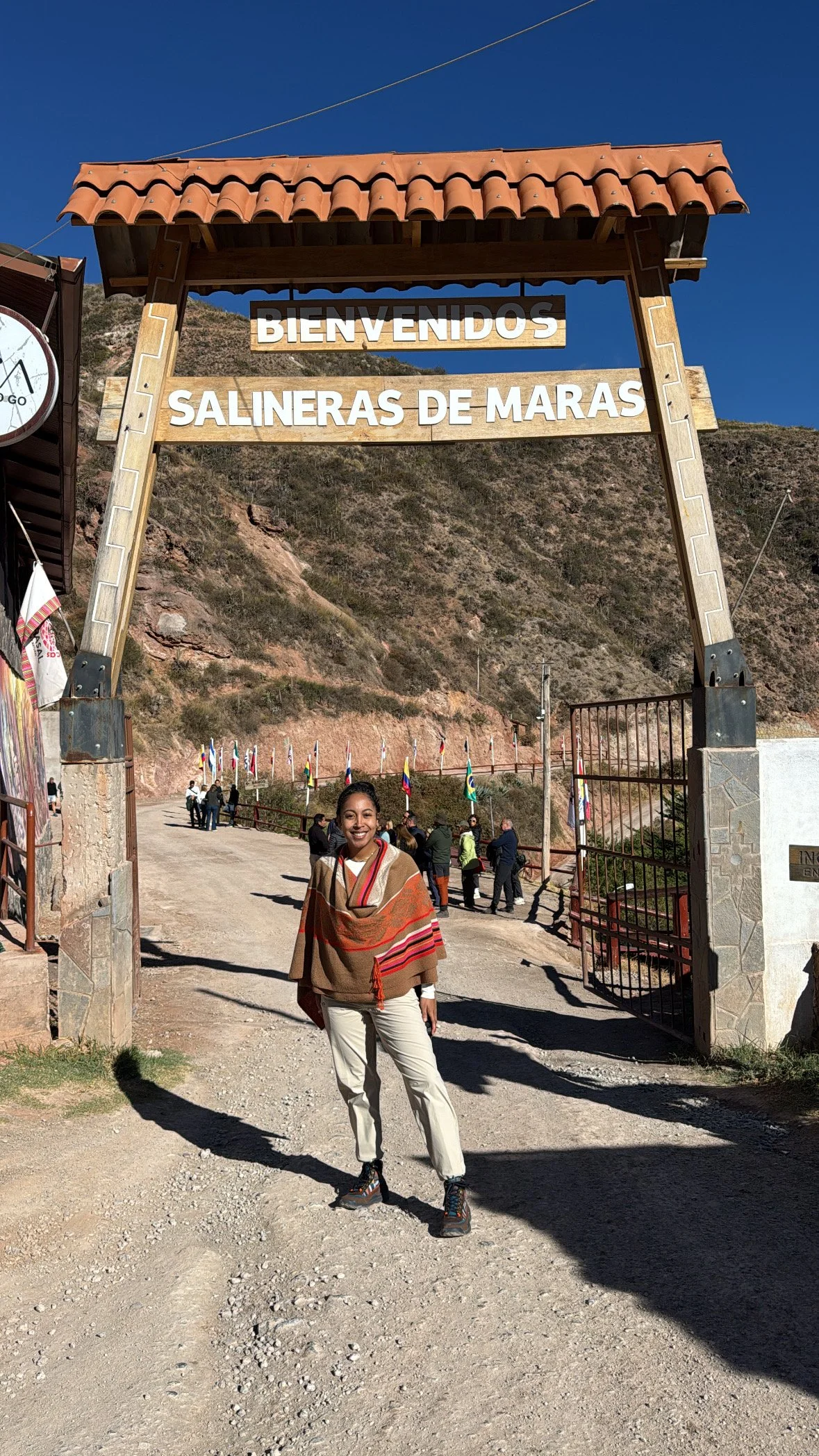
The Maras Salt Mines are one of the most unique landscapes in the Sacred Valley.
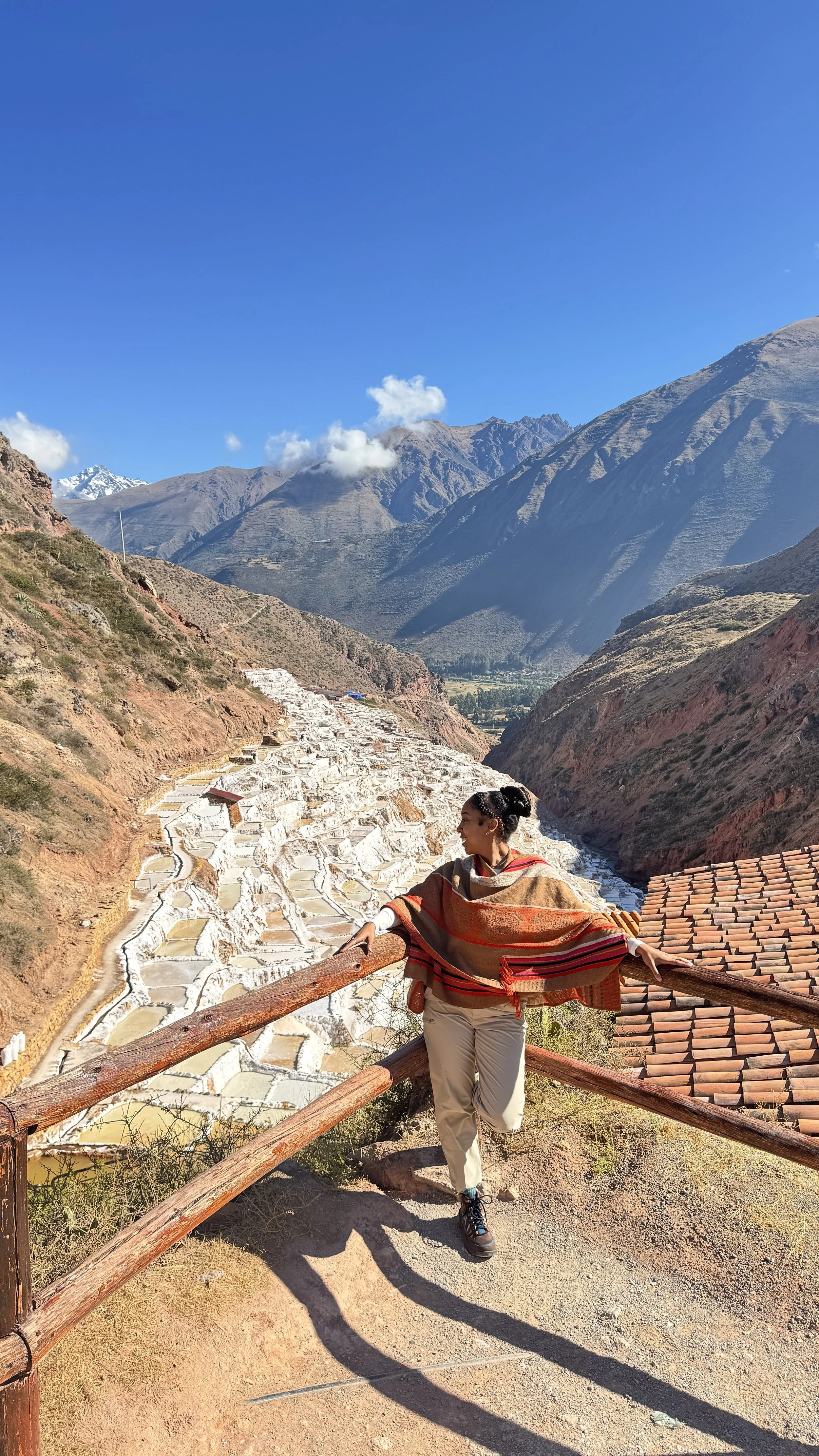
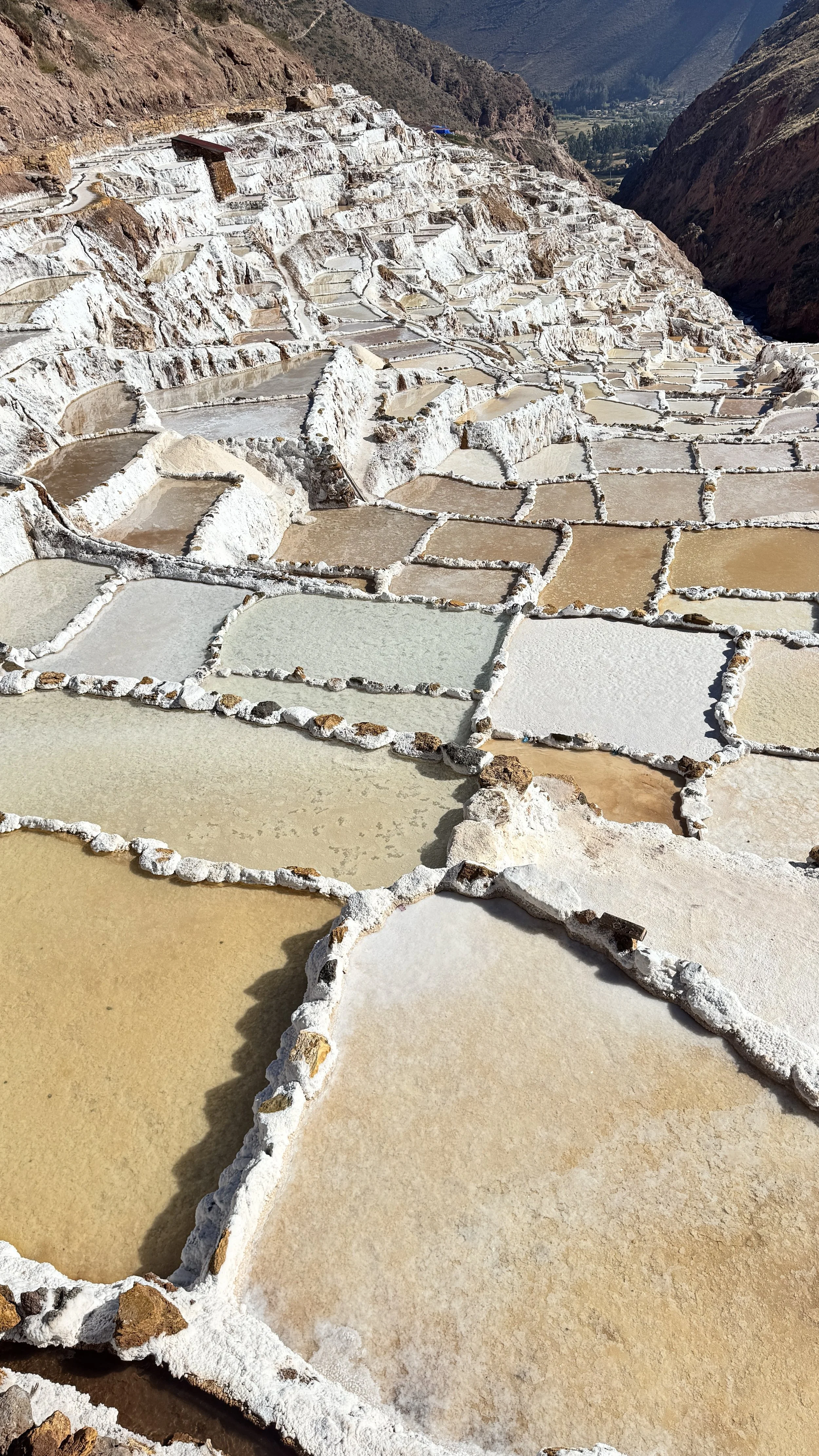
Thousands of small salt pools cascade down the mountainside, creating a pattern that almost looks painted into the landscape. Salt has been harvested in this region for centuries, and the sight is completely different from the typical archaeological sites you'll see around Cusco. It's an easy addition to a Sacred Valley day and a great place for photography.
Moray
Moray is another fascinating stop.
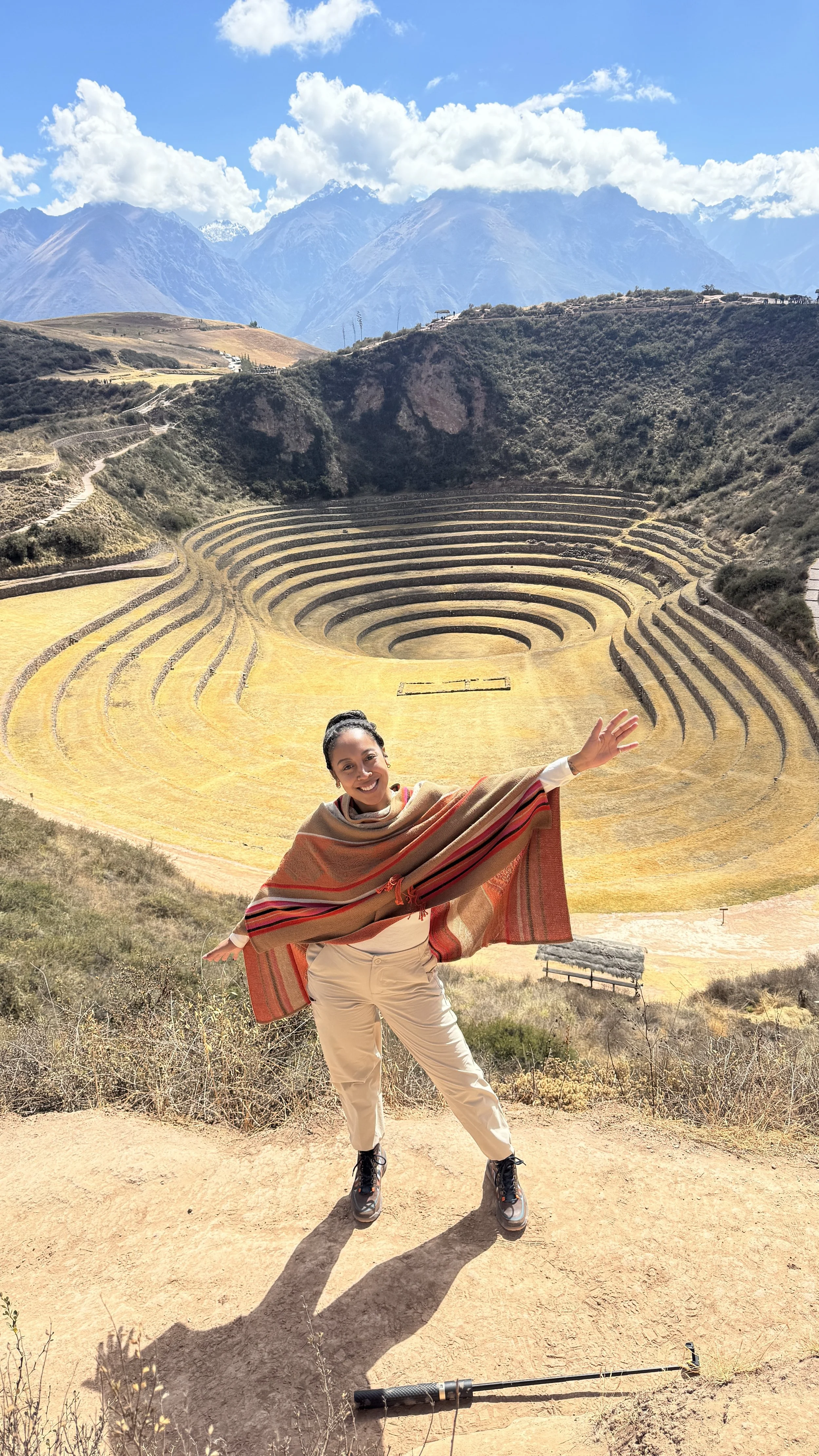
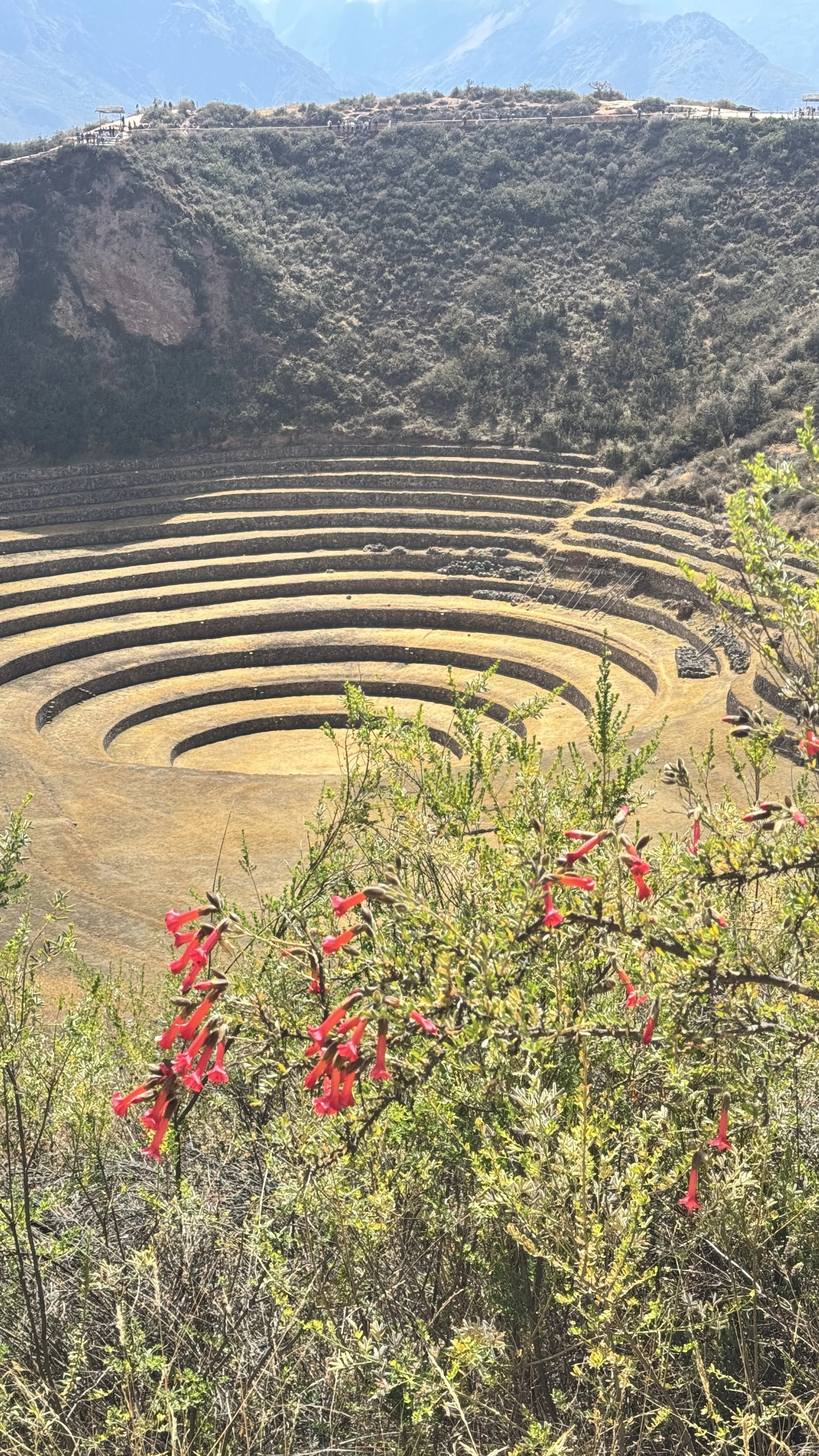
The archaeological site features enormous circular terraces carved into the earth. The exact purpose of the terraces has been debated, but they are widely associated with agricultural experimentation by the Incas. Standing at the top and looking down into the terraces makes you realize just how advanced the Incas were at manipulating their environment. The circular terraces also make this one of the more visually unusual archaeological sites in the region.
Ollantaytambo
Ollantaytambo is one of the places I would absolutely keep on a five-day itinerary.
The town itself is beautiful, but the archaeological site is what really makes it special. Massive stone terraces climb the mountainside, and the ruins provide incredible views across the valley.
The town also retains much of its original Inca layout, which makes walking through it feel different from wandering around a modern Peruvian city. Ollantaytambo is also an important transportation hub because trains to Machu Picchu depart from here. That makes it especially convenient if you're spending the night here before your Machu Picchu journey.
Pisac
If you have time, Pisac is another great addition.
The ruins are located high above the town, offering panoramic views of the valley. The town below is also known for its traditional market, where you'll find textiles, jewelry, ceramics, artwork, and souvenirs. If you're shopping for gifts, this is a fun place to browse. Just remember that bargaining is common in markets, but keep it respectful.
Chinchero
Chinchero is a great stop if you're interested in traditional Peruvian textiles and culture.
The town is known for its weaving traditions, and you can learn about how local artisans create textiles using traditional techniques and natural dyes. It's also home to an archaeological site and colonial church. If you're looking for authentic souvenirs rather than mass-produced tourist items, Chinchero is worth adding to your route.
Day 3: Machu Picchu
This is the day you've probably been waiting for.
Getting there takes some planning, which is why I recommend treating this as its own travel day rather than trying to squeeze it between several unrelated activities.
Your typical route involves getting to a train station such as Ollantaytambo, taking the train to Machu Picchu Pueblo, also known as Aguas Calientes, and then taking transportation up to the archaeological site. PeruRail operates services to Machu Picchu, including Expedition and Vistadome options. Inca Rail is another option for reaching Machu Picchu Pueblo.
From there, visitors continue up to the citadel by bus or on foot.
Don't Wait Until the Last Minute to Book Machu Picchu
This is one of the biggest pieces of advice I can give you.
Machu Picchu tickets are not something I would leave until the week before your trip.
The current system uses designated circuits and timed entries, and availability can be limited depending on the date and circuit you want.
I would book your Machu Picchu entrance first and then build your train and hotel plans around that reservation.
Want to Hike to Machu Picchu Instead?
If you have more than five days, this is where I'd consider completely changing the itinerary.
Instead of taking the train directly to Machu Picchu, you can make getting there part of the adventure.
The Inca Trail
The Inca Trail is a multi-day trek through the Andes that eventually brings you into Machu Picchu through the Sun Gate.
This isn't just another hike.
You're walking through an ancient network of Inca paths while passing archaeological sites, mountain landscapes, cloud forest, and increasingly dramatic views as you get closer to Machu Picchu.
The classic trek takes several days and is physically demanding, but the appeal is that Machu Picchu becomes the conclusion of the journey rather than simply a destination you arrive at by train.
If hiking the Inca Trail is something you want to do, plan well in advance because permits are limited.
For someone who loves hiking and has the time, I'd seriously consider building the entire Peru trip around this experience.
The Salkantay Trek
Another option is the Salkantay Trek, which is particularly appealing if you want a longer adventure but don't necessarily want to do the classic Inca Trail.
The route takes you through dramatically different landscapes, including high mountain passes, glaciers, valleys, and eventually the warmer landscape around Machu Picchu.
There are several-day versions of the trek available.
This is a much bigger commitment than simply taking the train, but that's exactly what makes it appealing.
Instead of spending one day visiting Machu Picchu and moving on, you turn getting there into the adventure itself.
Aguas Calientes
Don't treat Aguas Calientes as simply the place where you catch a bus.
The town is surrounded by mountains and filled with restaurants, shops, hotels, and cafés.
If your schedule allows, spend a little time walking around before or after Machu Picchu.
It is also a great place to grab food before getting back on the train.
Day 4: Explore Cusco
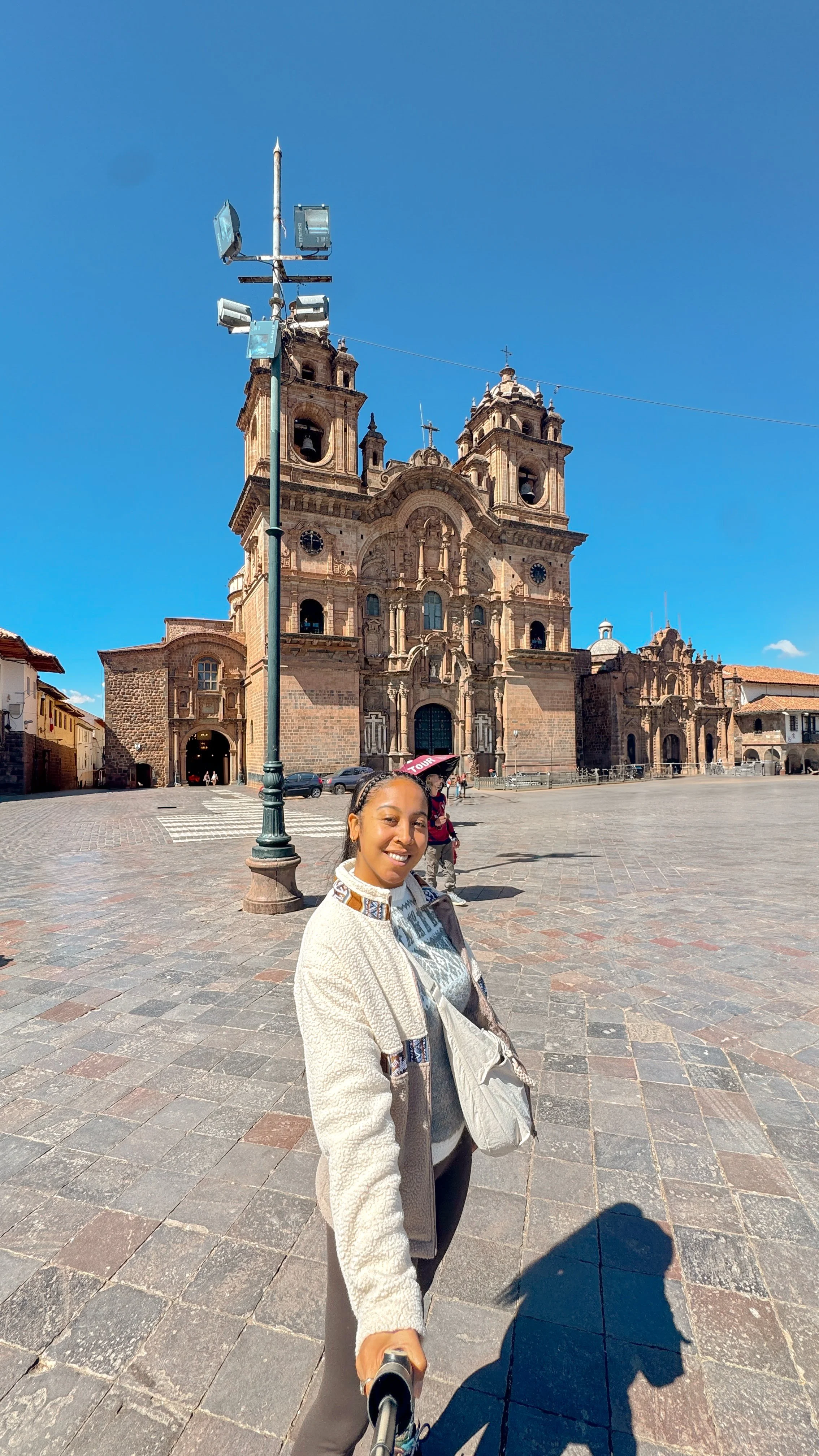
After the mountains and archaeological sites, I would spend a full day exploring Cusco. Cusco feels completely different from the Sacred Valley. The city is a fascinating combination of Inca history, Spanish colonial architecture, modern restaurants, markets, and nightlife. Start in the Plaza de Armas and walk from there.
What to See in Cusco
Plaza de Armas
This is the heart of the city and one of the best places to sit and people-watch. The surrounding architecture is beautiful, and it is a great starting point for exploring central Cusco.
Qorikancha
The Qorikancha, or Temple of the Sun, is one of Cusco's most important historic sites. The original Inca temple was famously covered in gold before the Spanish conquest. Walking through the complex gives you a glimpse into the layers of Inca and Spanish history that define Cusco.
Sacsayhuamán
Just outside central Cusco, Sacsayhuamán is famous for its enormous stone walls. The size and precision of the stones are incredible. It is also a great place to get a different perspective over Cusco. You can also tag along on a few free walking tours in this area, simply keep an eye out for obvious tour guides.
San Blas
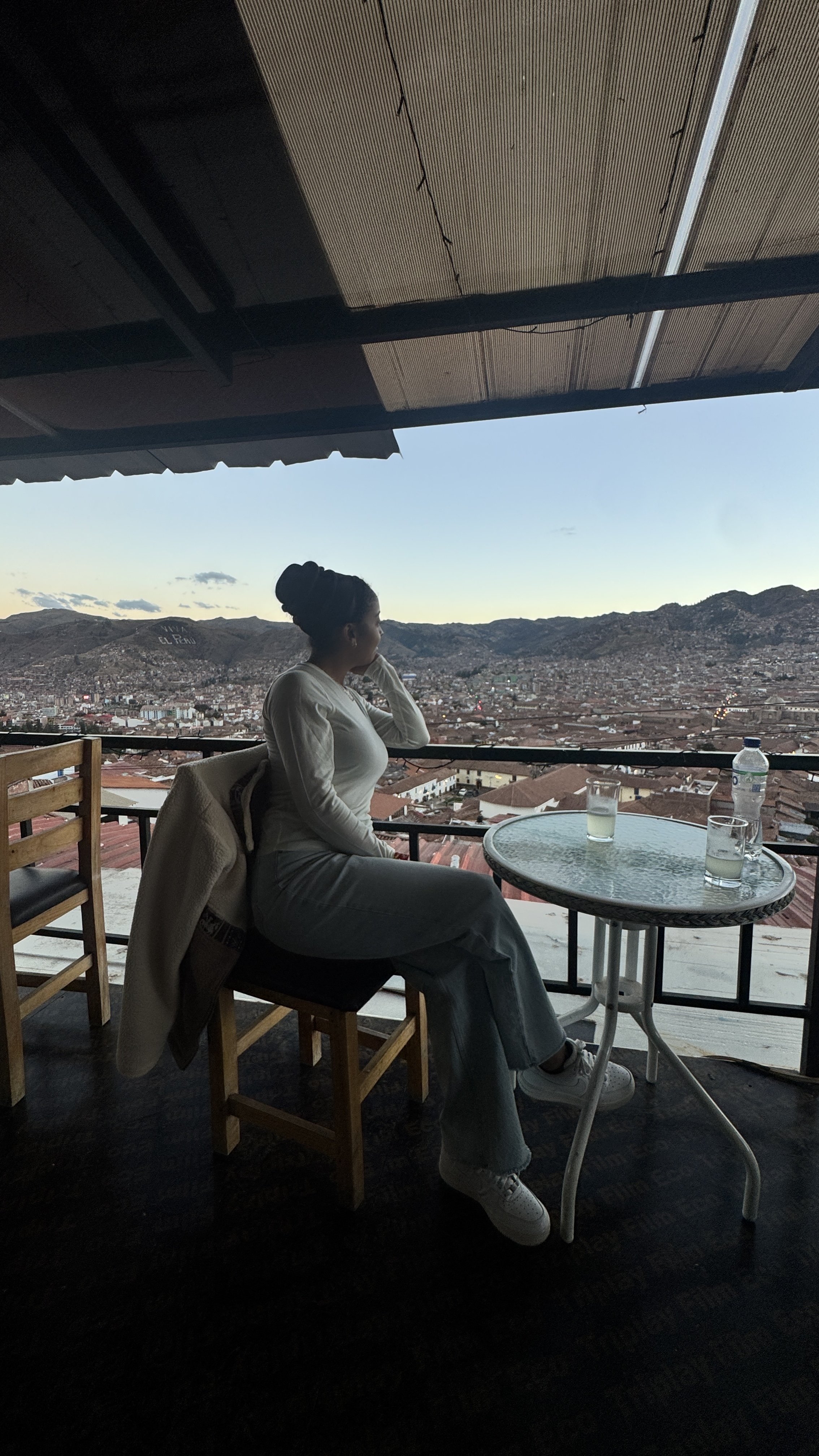
San Blas is one of my favorite areas to wander around in Cusco because it feels completely different from the busier streets around the Plaza de Armas. The neighborhood sits uphill from the historic center, so be prepared for some steep, narrow streets, but the climb is worth it once you start exploring.
At the heart of the neighborhood is San Blas Plaza, a small, charming square surrounded by whitewashed buildings, artisan shops, cafés, and restaurants. The area is especially known for its local artists and craftspeople, so this is a great place to browse handmade jewelry, paintings, textiles, ceramics, and other Peruvian souvenirs.
One of the highlights is the San Blas Church, a small colonial church dating back to the 16th century. Inside, you'll find an incredibly detailed carved wooden pulpit that is considered one of the finest examples of colonial woodcarving in Peru.
And if you make the climb up toward San Blas around late afternoon, you'll find some beautiful spots to stop and take in the views over Cusco. It is also a great area to come back to in the evening for dinner or drinks because there are plenty of cozy restaurants and bars tucked into the surrounding streets.
San Pedro Market
If you want to experience a more local side of Cusco, visit San Pedro Market.
You'll find fresh fruits, juices, potatoes, breads, spices, meats, cheeses, coffee, snacks, souvenirs, textiles, and everyday goods. It's chaotic, colorful, and completely different from the polished restaurants around the Plaza de Armas.
Where to Eat in Cusco
Peru is one of the world's best food destinations, and you absolutely should not leave without trying some of the country's classics.
I would mix nicer restaurants with local markets, cafés, and casual spots.
Morena Peruvian Kitchen
Morena Peruvian Kitchen is one I would put near the top of my list for a first night in Cusco.
Located near the Plaza de Armas, it combines traditional Peruvian ingredients with more modern presentations.
This is a great place to try several Peruvian dishes in one meal, including ceviche, lomo saltado, trout, alpaca, causas, and other regional favorites.
The location also makes it easy to pair dinner with an evening walk around the Plaza de Armas.
LIMO
For something completely different, put LIMO on your list.
LIMO specializes in Nikkei cuisine, which combines Japanese techniques and flavors with Peruvian ingredients.
If you love sushi, ceviche, seafood, or Japanese-inspired dishes, this is a great choice.
I would save LIMO for an evening when you want a slightly more elevated dinner. Its location around the Plaza de Armas makes it especially convenient for exploring Cusco afterward.
Three Monkeys Coffee
Three Monkeys Coffee is where I would go when I need a serious coffee break.
The café focuses on Peruvian specialty coffee and is a great place to slow down for an espresso, cappuccino, or another specialty preparation.
Peru produces incredible coffee, so I would absolutely make a coffee stop part of your Cusco itinerary.
It's also a great place to buy coffee beans to take home.
San Pedro Market
For a completely different experience, head to San Pedro Market.
This is where I'd go for fresh juices, fruit, snacks, local foods, and a glimpse into everyday life in Cusco.
You can also find plenty of souvenirs and traditional products here.
What to Eat in Peru
Lomo Saltado
One of Peru's most famous dishes, lomo saltado combines strips of beef with onions, tomatoes, fries, and rice.
It's essentially the perfect combination of comfort food and Peruvian flavor.
Ceviche
Fresh fish cured in lime juice and mixed with chili, onion, and other ingredients.
Eat it somewhere reputable and don't be afraid to order it.
Alpaca
Alpaca is commonly found around Cusco and the Sacred Valley.
It is lean, tender, and much more approachable than many first-time visitors expect.
Cuy
If you're feeling adventurous, try cuy, or guinea pig.
It's a traditional Andean dish and one of those foods you'll probably remember long after your trip.
Anticuchos
These grilled skewers are an easy street-food option and make a great snack while exploring.
Picarones
Think of these as Peruvian-style doughnuts made from squash or sweet potato and served with sweet syrup.
You absolutely need to try them.
Chicha Morada
Don't forget about the drinks.
Chicha morada is a sweet, non-alcoholic purple corn drink flavored with spices and fruit.
It's refreshing and completely different from anything you'll typically find at home.
Shopping in Peru: Where to Find Authentic Alpaca
I would leave room in your suitcase because Peru is an amazing place to shop for textiles.
But there is a big difference between authentic alpaca products and items simply labeled "alpaca" in tourist markets.
If you're specifically looking for baby alpaca, take the time to shop at established stores and ask what the material actually is.
Alpaca Sol
Alpaca Sol is a good option to research if you're looking for higher-quality alpaca products.
Look for sweaters, scarves, hats, gloves, and blankets made from alpaca or baby alpaca.
The quality is noticeably different from some of the inexpensive souvenirs you'll find at street markets.
Chinchero
If you want something more connected to traditional Andean craftsmanship, shop in Chinchero.
The town has a strong weaving tradition, and visiting local textile shops and demonstrations gives you the opportunity to learn about how the products are actually made.
You can find colorful blankets, scarves, hats, bags, and other woven goods.
Cusco Artisan Shops
Cusco's historic center has numerous artisan stores where you can shop for alpaca clothing, jewelry, ceramics, textiles, and artwork.
My advice is to walk around several shops before buying anything.
Prices and quality can vary dramatically.
And if someone tells you something is 100 percent baby alpaca, ask to see the material information.
Day 5: Choose Your Adventure
For your final day, I would leave some flexibility.
Depending on your flight time and where you're staying, you could spend the day exploring more of Cusco, return to the Sacred Valley, or book one final adventure.
Here are some of the best options.
Rainbow Mountain
Rainbow Mountain, also called Vinicunca, is probably one of the most recognizable landscapes in Peru after Machu Picchu.
The mountain gets its famous stripes from different mineral deposits throughout the earth, creating layers of reds, pinks, greens, yellows, and other colors.
The catch is the altitude.
Rainbow Mountain sits at an extremely high elevation, so this is not the excursion I would schedule immediately after arriving in Peru.
You want to have time to acclimatize first.
The experience is worth it if seeing one of Peru's most surreal landscapes is high on your list, but go into it knowing that the altitude can make the hike significantly harder than the distance suggests.
Humantay Lake
Humantay Lake is one of the day trips I would seriously consider adding if you love dramatic mountain scenery.
The lake sits beneath the snow-covered Salkantay mountain, and the turquoise water against the surrounding mountains looks almost unreal.
The day starts very early, and the hike reaches approximately 4,300 meters above sea level. The altitude is what makes Humantay challenging.
The hike itself isn't necessarily incredibly long, but the altitude can make every incline feel much steeper than it would at home.
The payoff is the lake itself.
Once you reach the top and see that bright turquoise water surrounded by the Andes, you'll understand why people make the early-morning trek.
If you're already spending several days in the Cusco region, I'd put Humantay high on the list for an adventure day.
Sacred Valley
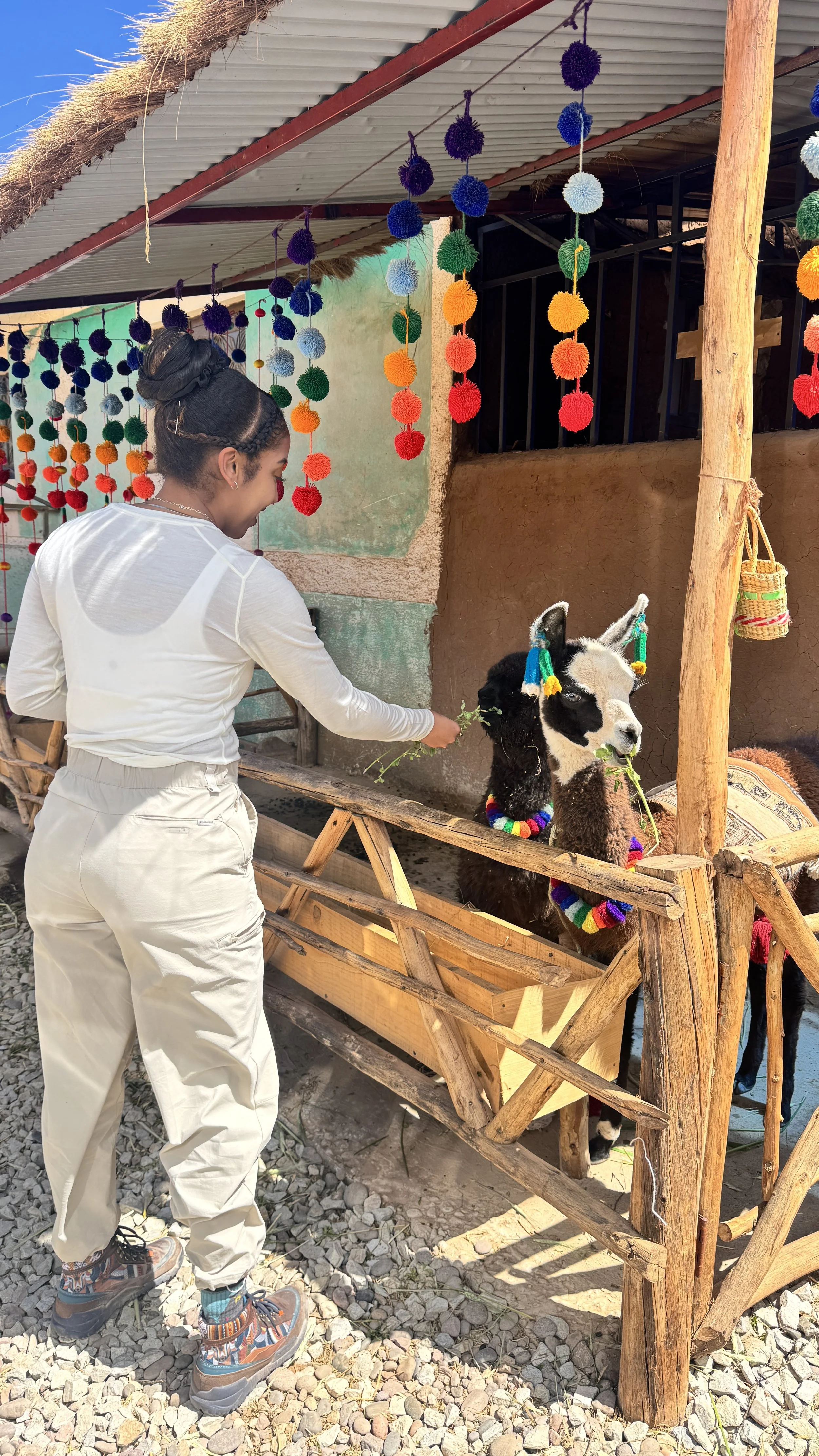
If you don't want to spend several days hiking, you can easily turn the Sacred Valley into an entire day of exploring.
The valley is filled with archaeological sites, traditional villages, markets, farms, and mountain scenery.
You can combine Pisac, Ollantaytambo, Moray, and Maras into a full day, although I would resist the temptation to rush through every stop just to check them off a list.
The beauty of the Sacred Valley is that you can slow down. Spend time at a market. Stop for lunch. Watch local artisans work. Pull over for mountain views.
This is one of the places where having a private driver or organized tour can make the day much easier because you're not constantly worrying about how you're going to get from one village to the next.
Maras and Moray
Maras and Moray are two of the easiest attractions to combine into one excursion.
The Maras Salt Mines are made up of thousands of salt evaporation pools carved into the mountainside. Nearby, Moray is famous for its enormous circular agricultural terraces. The two sites are close enough that they make a natural half-day excursion from the Sacred Valley.
If you're short on time, this is one of the day trips I would prioritize because you get two completely different experiences without spending your entire day in a vehicle.
Ollantaytambo
Ollantaytambo deserves more than a quick photo stop.
The archaeological site rises dramatically above the town, with enormous stone terraces climbing the mountainside.
The town itself also retains much of its original Inca layout.
Even if you're not obsessed with archaeology, walking through Ollantaytambo gives you a much better understanding of just how impressive the Inca civilization was.
It is also one of the most convenient places to base yourself before Machu Picchu because trains depart from here.
Pisac
Pisac is another great option if you're interested in combining history with shopping.
The archaeological site sits high above the town, giving you beautiful views across the Sacred Valley.
After exploring the ruins, head down into town and browse the market for textiles, jewelry, ceramics, and other handmade goods.
It's an easy place to spend several hours without feeling like you're simply running from one tourist attraction to another.
Chinchero
Chinchero is worth visiting if you're interested in traditional Peruvian culture and textiles.
The town is known for its weaving traditions, and you can learn about how local artisans create textiles using traditional techniques and natural dyes.
It's also home to an important archaeological site and colonial church.
If you're looking for authentic souvenirs rather than mass-produced tourist items, Chinchero is worth adding to your route.
Lake Titicaca
If you have significantly more time in Peru, Lake Titicaca is another destination worth considering.
It is one of the world's highest navigable lakes and sits near Puno.
The region is known for its Indigenous communities, traditional culture, floating Uros islands, and dramatic high-altitude scenery.
I would not try to squeeze Lake Titicaca into a five-day Cusco and Machu Picchu itinerary.
It deserves additional time because getting there and back takes time.
But if you're extending your Peru trip, it would be a fascinating addition.
The Amazon
And then there's the completely different side of Peru: the Amazon.
It's easy to forget that Peru isn't only mountains and Inca ruins.
The country is home to enormous areas of Amazon rainforest, with destinations such as Puerto Maldonado and Iquitos offering wildlife, river excursions, jungle lodges, and guided rainforest experiences.
This is absolutely not something I would add to a rushed five-day trip.
Instead, I'd tack on several additional days and make the Amazon its own chapter of the trip.
That contrast is one of the things I love most about Peru.
You can go from high-altitude Andean mountains to tropical rainforest within the same country.
How to Get Around Peru
For a five-day trip, I would not recommend renting a car.
There are simply too many easier options.
Instead, use a combination of private transfers, taxis, trains, and organized tours.
Airport Transfers
Arrange transportation from Cusco airport to your hotel ahead of time if possible.
Having someone waiting for you after an international flight makes the arrival much less stressful.
Taxis
Taxis are widely available in Cusco, but always agree on the price before getting in if the vehicle isn't metered.
Private Drivers
For Sacred Valley sightseeing, a private driver can be incredibly convenient because you can create your own schedule.
Trains
For Machu Picchu, the train is the easiest and most scenic option for most travelers.
What to Pack for Peru
The biggest mistake you can make is packing for one type of weather.
You're going to experience dramatically different temperatures depending on where you are and what elevation you're at.
I would pack:
Lightweight layers
Warm fleece or sweater
Waterproof jacket
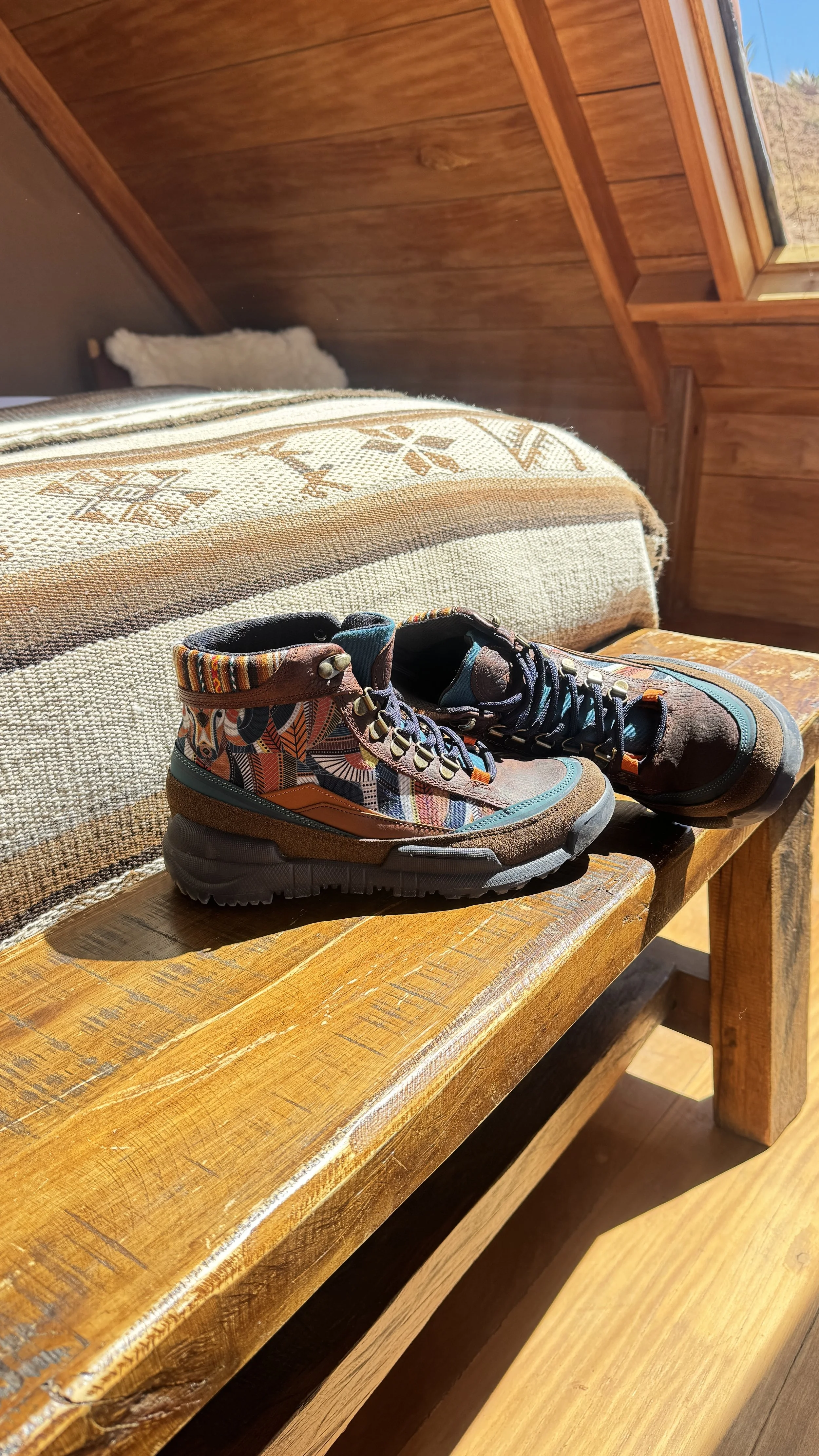
Comfortable walking shoes
Hiking shoes: Inkkas are super cute and comfy options and you’ll get 20% off here
Warm socks
Sunglasses
Sunscreen
Hat
Small backpack
Reusable water bottle
Portable charger
Camera
Rain protection
Lip balm
Basic medications
Motion sickness medication if you're prone to it
And don't underestimate the sun.
Even when the air feels cold, the high-altitude sun can be incredibly strong.
What to Book in Advance
For a trip this short, I would book the major pieces before leaving home.
That includes:
Machu Picchu entrance tickets
Train tickets
Hotels
Airport transfers
Major tours
Popular restaurants
Day trips
Multi-day hikes
The reason is simple.
Five days goes by incredibly quickly.
You don't want to spend half of Day 2 sitting in your hotel trying to figure out how to get somewhere.
More Than Five Days? Here's What I'd Add
If you have more time than I did, don't simply cram additional activities into the existing itinerary.
Use the extra days to slow down.
With 7 to 8 days, I'd consider adding Rainbow Mountain or Humantay Lake and spending more time in the Sacred Valley.
With 9 to 10 days, I'd seriously consider a multi-day trek such as the Inca Trail or Salkantay Trek to Machu Picchu.
With two weeks or more, you can start looking beyond the Cusco region and consider destinations such as Lake Titicaca or the Amazon.
There is enough to do in Peru that you could easily return several times and have a completely different trip every time.
Want to Experience Peru With Me?
After visiting Peru, I completely understand why people fall in love with this country.
But I also understand why planning a Peru trip can feel overwhelming.
There are hotels in completely different parts of the Sacred Valley, multiple train options to Machu Picchu, timed entrance tickets, tours, transportation, altitude considerations, restaurants, and dozens of incredible places you could add to your itinerary.
That's exactly why I've been working on group trips to Peru.
If you'd rather experience the country with a group and have the major logistics taken care of, you can get information about my upcoming trips here.
Click here to learn more about my Peru group trips.
My Peru Travel Guide Series
I'm also breaking my Peru trip into several more detailed guides because there are certain parts of this trip that deserve much more than a paragraph.
Wifala Harmony Hotel
I'll be sharing a dedicated look at my stay at Wifala Harmony Hotel, including the property, rooms, food, amenities, location, surrounding area, and who I think this hotel is best for.
Mountain View Experience
I'll also be sharing a dedicated guide to Mountain View Experience, including what it's actually like to sleep in an A-frame surrounded by the Andes, the property, activities, food, and whether I'd recommend it for a Peru trip.
How to Get to Machu Picchu
My How to Get to Machu Picchu guide will break down the entire process step by step, including where to buy tickets, choosing your circuit, getting to Ollantaytambo, choosing a train, getting to Aguas Calientes, and getting up to Machu Picchu.
I'll also break down the difference between taking the train and doing a multi-day trek such as the Inca Trail or Salkantay Trek.
The Ultimate Sacred Valley Guide
And finally, I'll have a dedicated Sacred Valley Guide covering Maras, Moray, Ollantaytambo, Pisac, Chinchero, ATV tours, horseback riding, restaurants, shopping, transportation, and where I recommend staying.
Because honestly, five days only gave me a taste.
Peru is one of those places where I could easily see myself returning for a much longer trip. The Andes alone could keep you busy for weeks, and I barely scratched the surface.
