How I Fly for Free (or Almost Free)

A Simple System Using Points, Card Offers, and Stackable Rewards
Most people assume “free flights” are some complicated travel hack or a one-time lucky redemption. In reality, it is a repeatable system that comes down to three things: how you search, how you book, and how you stack rewards.
This is exactly how I consistently book flights for a fraction of the cash price, or completely on points.
Step 1: I Never Start With One Website
Before I book anything, I always compare pricing across a few tools:
Skyscanner to find the cheapest routes and date combinations
PointHound to identify hotel and travel point opportunities
Airline direct sites once I know which route is cheapest or best for points redemption
The key is not loyalty at the search stage. I am only looking for the lowest cash price or the most efficient points redemption first.
Step 2: Credit Cards Do Most of the Heavy Lifting
How I Use My Travel Credit Cards to Maximize Points and Travel Benefits
A big part of how I travel so often without paying full price for flights and hotels comes down to how I use my credit cards on a daily basis. Instead of treating points as something I occasionally redeem, I treat each card like a tool with a specific job.
I use three main cards: American Express Gold, American Express Platinum, and a Chase United card. Each one earns points differently and comes with monthly benefits that quietly add up over the year.

American Express Gold Card: Everyday Spending and High Point Multipliers
The Amex Gold Card is my primary everyday spending card.
This is the card I use for groceries and eating out because it earns high multipliers in those categories. Food is where most people naturally spend the most money, so this is where I focus my point accumulation.
Instead of thinking about it as simply buying groceries or dining out, I think about it as converting daily spending into future flights and hotel stays.
Over time, this card becomes a steady engine that builds points in the background without changing my lifestyle
You also get monthly credits to offset the annual fee:
Uber Cash: $10 per month (adds up to $120 per year, use for Uber rides or Uber Eats in the U.S.)
Resy Dining Credit: up to $100 annually (typically split into semi-annual credits of $50 at participating restaurants)
$7/mo or $84 per year in Dunkin Donuts credit
$10/mo or $120/year credit at Five Guys, Cheesecake Factory or Grubhub
Food is one of the biggest monthly expenses for most people, which makes it one of the fastest ways to build travel points without changing your lifestyle.
Click here for 100K points on me 😉
American Express Platinum Card: Travel and Premium Benefits
The Amex Platinum Card is my travel-focused card.
I use it primarily for flights, hotels, and rental cars, especially when I want travel protections and premium perks layered on top of points earning.
The biggest value here is not just points, but the benefits that come with the card. These include airport lounge access, travel credits, hotel status upgrades, and additional protections when booking travel.
On top of that, there are monthly and annual credits that effectively reduce travel and lifestyle costs if you actually use them.
Some of the most valuable recurring benefits include:
Global Lounge Collection: over $850 in annual value with access to Centurion Lounges, Priority Pass lounges, Delta Sky Club visits (when eligible), and partner lounges
Hotel Credit: up to $600 annually in statement credits on prepaid Fine Hotels + Resorts or Hotel Collection bookings through Amex Travel
Uber Cash: up to $200 annually ($15 monthly plus a $20 bonus in December) for rides and Uber Eats in the U.S.
Uber One Credit: up to $120 annually in statement credits for an auto-renewing Uber One membership
Airline Fee Credit: up to $200 annually in statement credits for incidental fees with one selected airline
Fine Hotels + Resorts Value: average $550+ in added perks per stay when booking through the program
CLEAR+ Credit: up to $209 annually for expedited airport security membership
Resy Dining Credit: up to $400 annually in statement credits at participating U.S. restaurants ($100 per quarter)
Digital Entertainment Credit: up to $300 annually in statement credits for select streaming and media subscriptions ($25 per month)
Lululemon Credit: up to $300 annually in statement credits for eligible lululemon purchases ($75 per quarter)
Walmart+ Credit: up to $155 annually covering a monthly Walmart+ membership
Click here for up to 170K points and a little extra travel glow up 😉
Chase United Card: Airline Specific Rewards and Perks
The Chase United Card is my airline-specific card, and I use it strictly for United-related travel.
This means booking United flights directly, making United purchases, or using it when I know I will be flying that airline or its partners. I use it when booking United flights or making United purchases. It earns United MileagePlus miles and often comes with perks like:
United lounge access
2 Free checked bags (I book basic economy to save $200+ per flight and hen book with my card for free bags)
Priority boarding on eligible United flights
In-flight purchase discounts on select United cards
Up to $200 in hotel credits annually
Up to $150 in rideshare credits annually
Up to $100 in car rental credits annually
Up to $240 in Instacart credits annually
Up to $200 in JSX flight credits annually
Total value: over $875 in annual partner credits when fully used
11x miles on flights
It is especially powerful when combined with airline alliances, where the same flight can sometimes cost significantly fewer miles depending on how it is booked.
Click here for up to 60K United miles and start stacking flights 😉

How I Think About Using All Three Together
Instead of picking one “best” card, I assign each card a role:
Amex Gold builds points through daily spending
Amex Platinum optimizes travel purchases and adds premium benefits
Chase United handles airline-specific bookings and perks
When used together, they create a layered system where:
daily spending earns points
travel spending earns perks and protections
airline loyalty builds additional rewards
This is what makes long-term travel sustainable without changing how you live or spend money.
Step 3: Stacking Rewards With Rakuten
This is where most people leave points on the table.
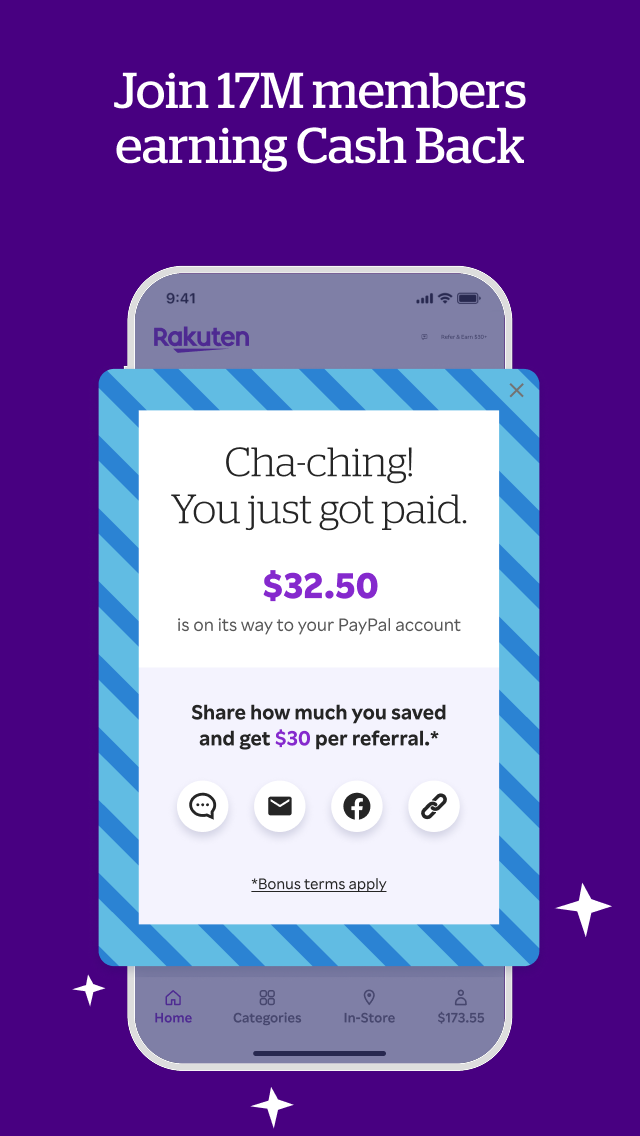
When I book travel or make online purchases, I always check Rakuten first.
Rakuten often gives 2x to 10x points or cash back depending on the merchant, and you can stack this on top of credit card points.
For example:
I book a $500 hotel using my Amex Platinum
I earn Amex points from the purchase
I activate Rakuten before checkout and earn an additional 8x back
That same purchase now earns rewards twice, on two different systems
This is how travel spending multiplies quietly without changing what you were already going to buy.
Psst, here’s your first $50 when you download the Rakuten app.
Step 4: Booking Smart With Airline Alliances
This is the part most people do not realize exists.
Airlines belong to alliances, which means you can often book the exact same flight through different airlines using completely different point values.
For example:
A round-trip economy flight on American Airlines might cost 80,000 points
That same route booked through British Airways (part of the same alliance) could be closer to 30,000 points round-trip
Nothing about the flight changes except the booking system you use.
This is why I almost never book directly without checking partner airlines first. The difference in points can be massive.
Step 5: Turning One Bonus Into Multiple Trips
Once you combine:
Signup bonuses from credit cards
Daily spending points
Rakuten multipliers
Alliance booking strategies
You start realizing how quickly flights add up.
One credit card bonus alone can often cover:
a round-trip flight to Europe
multiple domestic flights
or partial long-haul international trips
The goal is not to “hack” anything. It is just to stop leaving points unclaimed across systems you are already using.
This is Your Sign to Book That Flight!

Flying for free is not about one trick. It is about building a system that quietly works in the background every time you spend money or plan a trip.
Once you understand how to stack points, compare booking platforms, and use airline alliances strategically, travel stops being something you save up for once a year and becomes something you can do regularly.
This newsletter may contain affiliate links. If you apply through these links, I may earn a commission at no additional cost to you. I only recommend products and services I personally use or believe add value to the travel strategies shared here.
